Reviewed · TOURS
11 Days Tour Muscat and Salalah
Oman packs sea, sand, and mountains into one trip. This 11-day private tour links Muscat, Sur, Wahiba Sands, Nizwa, Jebel Shams, and Salalah without asking you to sort out every road, hotel, and transfer yourself. A driver-guide handles the transport, while you choose when to rest and when to explore.
I like the wide range of scenery, from swimming at Wadi Bani Khalid to watching turtles near Ras Al Jinz and standing above the Grand Canyon of Oman. I also like the private format, which gives families and small groups more room to adjust the pace. The main drawback is cost: at $3,400 per person, meals are not included, and you should confirm whether the domestic flights to and from Salalah are included in your final price.
In This Review
- The trip at a glance
- Why this route works for a first visit
- Wadi Shab, Bimmah Sinkhole, and the coast
- Sur and the night at Ras Al Jinz
- Swimming at Wadi Bani Khalid, then Wahiba Sands
- Ibra, Nizwa, and Oman’s market culture
- Misfat Al Abriyyin and Al Hamra
- Jebel Shams and Wadi Bani Awf
- Flying south to Salalah
- Salalah’s eastern route: Taqah, Sumhuram, and Wadi Darbat
- Salalah’s western coast and frankincense country
- What $3,400 buys you
- Who should book this Oman tour?
- FAQ
- Is this a private tour?
- How many people can fit in the tour vehicle?
- Are meals included?
- Is accommodation included?
- Is entry to Nizwa Fortress included?
- Are the domestic flights to Salalah included?
- Can children join the tour?
The trip at a glance
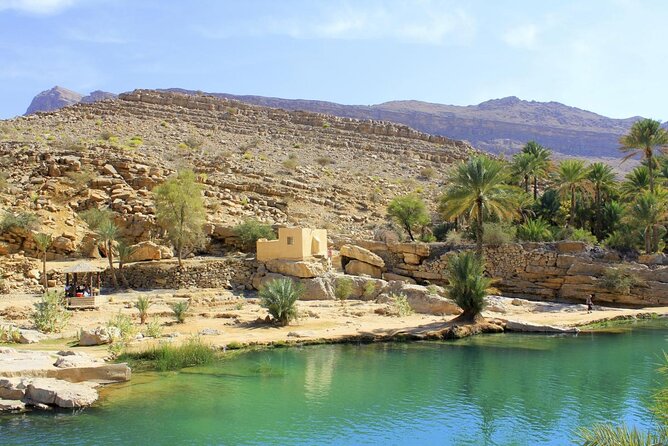
- Wadi Shab and Bimmah Sinkhole: A strong first day combines a palm-lined canyon, a turquoise sinkhole, and a coastal stop at Fins Beach.
- Ras Al Jinz turtle visit: A guided night walk gives you a chance to see nesting sea turtles, with no guarantee but a good possibility.
- Wahiba Sands camp: The desert night includes a 4×4 dune drive, sunset, dinner, and a campfire.
- Nizwa and Jebel Shams: Forts, livestock markets, old villages, falaj irrigation, and Oman’s highest mountain region form the cultural center of the route.
- Two sides of Salalah: East and west coast outings cover frankincense ports, springs, waterfalls, blowholes, and the tomb associated with Prophet Job.
- Private transport: The tour uses a private vehicle, with stated capacity of three seats for a sedan or six seats for a 4×4 vehicle.
Why this route works for a first visit
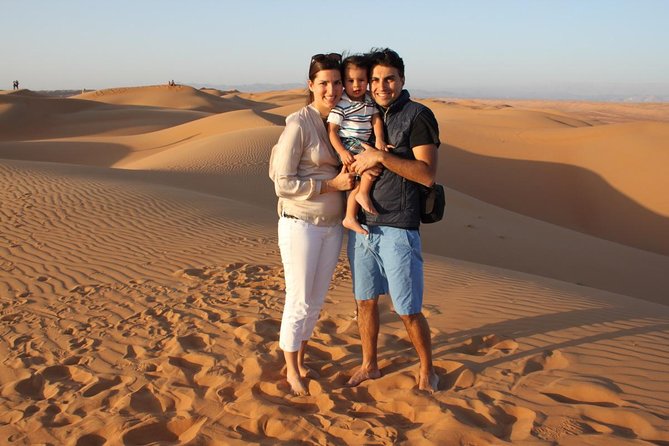
Oman is not a country you experience well by ticking off one city. Its appeal lies in the change from one setting to the next: a fishing town gives way to a wadi, then a desert camp, then a mountain village. This route gives you all of those settings in one organized journey.
The schedule also leaves pockets of free time. Day 8 in Salalah is mostly at leisure, Day 4 gives you time after arriving in Nizwa, and Day 6 leaves the afternoon open at Jebel Shams. That matters because an 11-day road trip can become tiring if every hour is filled with guided stops.
The private arrangement is especially useful for families. Children have beaches, swimming areas, desert scenery, and short walks to break up the longer drives. Still, some outings require care. Wadi visits can involve uneven ground, the Jebel Shams area offers walks ranging from easy to difficult, and the Wadi Bani Awf road is described as an adventurous off-road drive.
The two available ratings are five stars, with praise focused on cheerful service, safe driving, a comfortable car, and useful information about Oman. One family used the guide twice, which suggests the service can work well for a repeat booking or a group with children. No guide names are provided, so your driver-guide will be assigned by the operator.
More Muscat trips to compare:
- Muscat: Daymaniat Islands Snorkeling Trip with Brunch
★ 4.7 · 2,317 reviews - From Muscat: Wadi Shab & Bimmah Sinkhole Full-Day Tour
★ 4.8 · 1,862 reviews - Muscat: Wahiba Desert and Wadi Bani Khalid Guided Group Tour
★ 4.8 · 820 reviews
Wadi Shab, Bimmah Sinkhole, and the coast
The first day moves south from Muscat toward Sur, with three very different stops. Wadi Shab is the main event. The canyon is lined with date palms and shaped by water flowing down from the mountains. You have about two hours there, and admission is included.
This is a good introduction to Oman because it combines water, rock, and greenery in one place. The timing is not generous if you want a slow visit, so ask your guide how much walking is involved before setting out. If swimming is important to you, clarify the practical details on the day.
Bimmah Sinkhole is a shorter stop, about 30 minutes. You can take photographs and, according to the tour information, swimming in the sinkhole lake is possible. It makes a useful contrast with Wadi Shab: one is a long canyon shaped by running water, the other a dramatic natural pool surrounded by pale rock.
Fins Beach is a brief coastal pass or stop, also around 30 minutes. Do not expect a long beach day here. Think of it as a scenic pause between the wadi and the road to Sur.
Sur and the night at Ras Al Jinz
Day 2 begins in Sur, where you see old fortresses and a traditional Arabian dhow factory. The boat yard is the most distinctive part of the visit. Wooden dhows are still associated with Oman’s trading and fishing traditions, and seeing their construction gives the town more character than a quick photo stop would.
After lunch, the route continues along the coast to Al Hadd and Ras Al Jinz. You can walk around the village or relax on a beach before the evening turtle visit. The guided walk takes place at night, under the stars, on the beach near the turtle sanctuary.
The chance to see nesting turtles is a major reason to value this stop. The tour states that the chance is high, and you might see a turtle come ashore to make a nest or lay eggs. With luck, you could also see hatchlings leaving a nest. Nature sets the schedule, so no sighting can be promised. Keep expectations sensible and follow the guide’s instructions around the animals.
The four-hour allocation includes the evening experience and gives the day a slower rhythm. It can also make for a late night before the next morning’s drive, something to keep in mind if you are traveling with young children.
Swimming at Wadi Bani Khalid, then Wahiba Sands
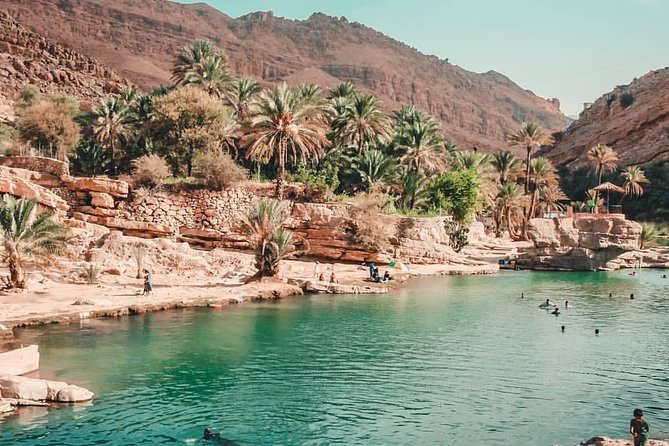
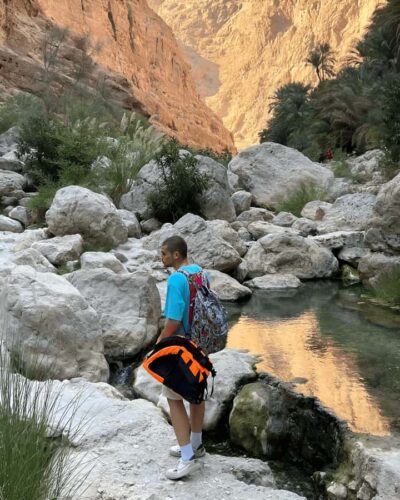
Day 3 puts Oman’s natural contrasts side by side. Wadi Bani Khalid is one of the country’s largest and most scenic wadis, with pools and canyon scenery suitable for swimming, sunbathing, relaxing, or a picnic. You have about three hours, enough for a proper break rather than a rushed photograph.
Bring suitable clothing for the water and remember that meals are not included in the package. The tour provides bottled water, but you will need to plan for lunch and other food expenses yourself.
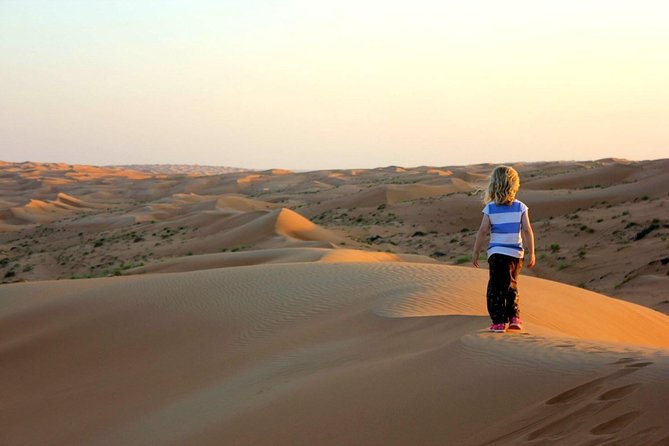
The afternoon continues into Wahiba Sands. The desert camp is the setting for a 4×4 sand-dune drive and sunset from a high dune. This is the kind of evening that gives the route its sense of occasion without requiring a separate desert excursion.
Dinner at camp and time around the campfire are included in the day’s planned experience, although the general tour information says meals are not included. I would confirm exactly what the camp dinner covers before booking, since the wording is not fully consistent. The desert section is listed as a 12-hour stop, so expect a full day with an overnight stay rather than a quick visit to the dunes.
A different way to spend the day out of Muscat:
- Muscat: Half-Day Sightseeing Essentials Tour and Audio Guide
★ 4.2 · 598 reviews - Muscat: Wadi Bani Khalid Oasis & Oman Desert Tour
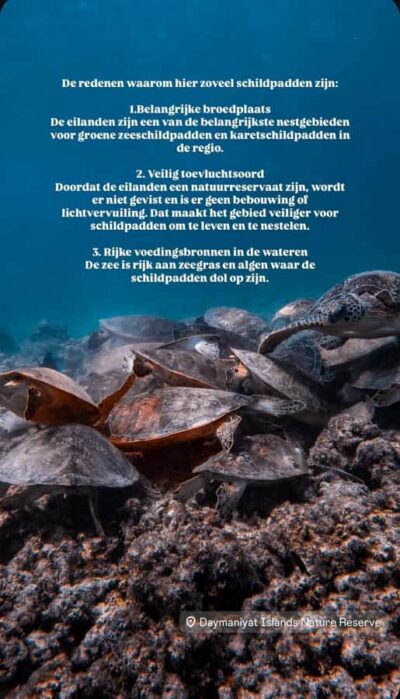
★ 4.8 · 434 reviews - Muscat: Daymaniat Islands Snorkeling Tour with Refreshments
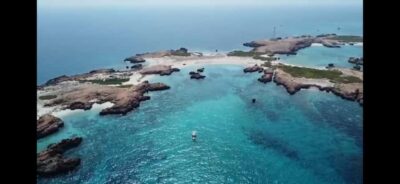
★ 4.7 · 426 reviews - Daymaniyat Island: Snorkelling Tour with Tasty Lunch
★ 4.8 · 403 reviews
Ibra, Nizwa, and Oman’s market culture
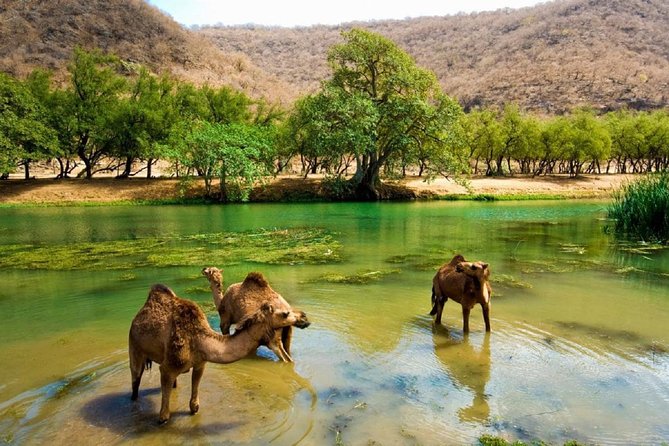
On Day 4, the road leaves the desert for Ibra. The local souq and old village offer a look at daily life away from Muscat’s modern districts. Three hours are allotted, which should allow time to browse and walk rather than simply stop for a photograph.
Nizwa follows in the afternoon. It was Oman’s old capital, and the town is a practical base for the next two days of forts, markets, and mountain villages. After hotel check-in, you have free time. That is useful after the desert night, especially if you prefer an unhurried evening.
Day 5 begins early at Nizwa Souq. The market operates from about 5 a.m. to 10 a.m. each morning, so timing matters. You can find fish, meat, vegetables, pottery, jewelry, handicrafts, and souvenirs in the old market halls. On Fridays, the cattle market adds goats, sheep, donkeys, cattle, and chickens to the scene.
The early start is part of the experience, not a minor inconvenience. If you want to see the market at its best, accept the morning schedule. If you are not a morning person, this is one place where a private guide may help you balance the market with extra rest.
Next door is Nizwa Fortress. The listed plan includes an outside photo stop, while entering costs an additional $15 per person. Inside, the fort has rooms, passages, towers, defensive traps, and views over the town and surrounding mountains. The extra fee is reasonable for visitors interested in Omani architecture, but it is not included in the advertised package.
On Fridays, the fort closes at 11 a.m., so an interior visit is not always possible on a Friday tour. Check the day of your visit before assuming you will see the inside.
Misfat Al Abriyyin and Al Hamra
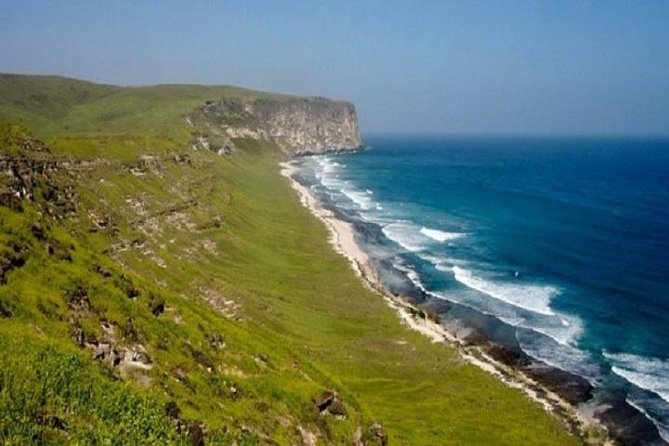
Misfat Al Abriyyin is one of the most atmospheric stops on the route. The village sits on a steep slope below Jebel Shams, with old houses, narrow streets, date palms, orchards, and a falaj irrigation system that carries water through the settlement.
You have about two hours to walk the marked paths. This is not a stop for staying inside the vehicle. Wear shoes suited to uneven village streets, and take your time around the water channels and old homes.
The next day begins at Al Hamra, where a small museum occupies a restored traditional house. Omani women show you a seven-bedroom home and demonstrate older methods of making coffee, food, and pottery. The visit ends in a majilis, an Omani sitting room, with coffee, tea, and dates.
That kind of domestic setting adds something that forts and viewpoints cannot. You see how a traditional house was arranged and how hospitality fits into everyday culture. The visit lasts about two hours, so it is not merely a quick stop on the way uphill.
Jebel Shams and Wadi Bani Awf
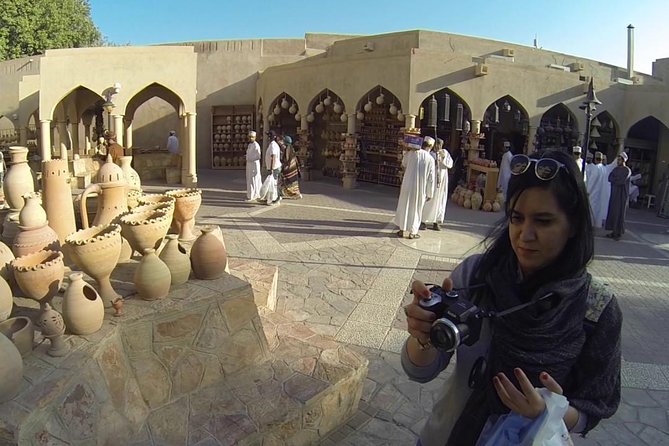
From Al Hamra, the road climbs toward Jebel Shams, Oman’s famous mountain area. You stay overnight at a resort, with the afternoon free to walk near the Grand Canyon of Oman.
The canyon edge offers views into the valleys and wadis below. Several walking options are available, from short and easy paths to longer, harder routes. This is one of the tour’s best chances to choose your own level of activity, but you should be honest about your fitness and follow your guide’s advice near steep edges.
The next morning brings one of the route’s roughest drives. Wadi Bani Awf is reached by a mountain road described as adventurous and off-road, with broad views along the descent. Once in the valley, the road continues for about 90 minutes past small villages, followed by roughly an hour back to Muscat.
This is a scenic and memorable transfer, but it is not ideal for anyone who dislikes winding mountain roads or rough driving. The private 4×4 vehicle is important here. Ask what vehicle will be used for your group, especially if you are traveling with more than three people.
Flying south to Salalah
Day 8 changes the character of the trip. You fly to Salalah in the morning, with the flight listed at about 90 minutes, then have the rest of the day free for the beach or Salalah city.
The tour includes 10 nights of accommodation, private transfers, a driver-guide, bottled water, fuel surcharge, local taxes, and national park fees. However, the included-items list does not clearly state that the domestic flights are included, even though the itinerary requires flights on Days 8 and 11. Confirm this before paying, as airfare can affect the real cost of the package.
The free day is well placed. After a week of driving and sightseeing, you can slow down before the two full excursions around Dhofar.
Salalah’s eastern route: Taqah, Sumhuram, and Wadi Darbat
Day 9 heads east from Salalah to Taqah, a town with both coastal scenery and old cultural sites. The visit lasts about an hour and helps introduce the Dhofar region beyond the city.
Sumhuram Old City follows. This former port controlled the maritime trade in frankincense, one of the products that made Dhofar famous across the ancient trading world. Admission is included, and the stop lasts about an hour.
Wadi Darbat brings a change from ruins to open scenery, with waterfalls and old mountain villages. The exact appearance of the waterfalls can vary by season, and the tour notes that water flow is highest during the khareef period at nearby springs. You have about two hours here.
The final stop is Ain Razat, an important spring source for Dhofar. Several springs feed a long pool, and water runs through a falaj year-round, with stronger flow during khareef. The hour-long visit gives you a quieter end to the day.
Salalah’s western coast and frankincense country
Day 10 travels west to Mughsail Beach. The main attraction is the blowholes, where waves force air and water through openings in the rock. The spray can be powerful, so keep a safe distance and listen to local guidance.
In the surrounding Dhofar area, you have a chance to see frankincense trees, Boswellia sacra. Frankincense was once more valuable than gold and brought great wealth to the region. Seeing the trees helps connect the archaeological sites, old ports, and modern Dhofar scenery into one story.
The final visit is Nabi Ayoub’s Tomb, inside a mosque and traditionally associated with the burial place of Prophet Job. Dress and behave respectfully at this religious site. Afterward, you return to Salalah.
Day 11 provides leisure time before the afternoon flight back to Muscat. The schedule is useful if you need a relaxed final morning, but confirm your onward travel plans carefully because the tour ends after the return flight.
What $3,400 buys you
The $3,400 price is high for an Oman holiday, but it covers more than a simple sightseeing loop. You receive 10 nights of accommodation, private transport, hotel or port pickup and drop-off, a driver-guide, bottled water, fuel surcharge, local taxes, and national park fees.
The value is strongest for a small group that would otherwise need to arrange several hotels, a desert camp, mountain transport, two domestic flight days, and long private drives. A private vehicle also gives you a chance to adjust rest time and stop lengths.
The value is weaker if you are a solo budget traveler, since the price is charged per person and food is not included. Add lunch, other meals, possible drinks, the $15 Nizwa Fortress interior fee, and any flight cost not included in your confirmation.
A multilingual guide may be available for an extra charge. Ask about this if language support matters to your group.
Who should book this Oman tour?
I would recommend it to families, couples, and small groups who want Oman’s major natural and cultural settings without managing the logistics themselves. It suits you if you like variety, can handle several long drives, and appreciate having free time built into a structured route.
It is less suitable if you want a slow beach holiday, dislike rough mountain roads, or prefer to choose every hotel and meal independently. The route is ambitious, and the transition from wadis to desert to mountains to Salalah keeps you moving.
You can cancel for a full refund if you do so at least six full days before the local start time. Cancellations two to six full days ahead receive a 50 percent refund, while cancellations less than two full days ahead are not refunded.
FAQ
Is this a private tour?
Yes. Only your group participates, and transport is provided by private vehicle with a driver-guide.
How many people can fit in the tour vehicle?
The stated capacity is three seats for a salon car and six seats for a 4×4 vehicle.
Are meals included?
Lunch is not included. The tour information also describes dinner at the Wahiba Sands camp, so confirm exactly which camp meals are covered before booking.
Is accommodation included?
Yes. The package includes 10 nights of accommodation, with stays ranging from city and mountain locations to a desert camp setting.
Is entry to Nizwa Fortress included?
The standard plan includes a photo stop from outside. Entering the fort costs an additional $15 per person, and interior access may not be possible on Friday trips because the fort closes at 11 a.m.
Are the domestic flights to Salalah included?
The itinerary includes a morning flight to Salalah on Day 8 and a return flight to Muscat on Day 11, but the included-items list does not clearly confirm that the airfare is covered. Ask the operator to clarify this before booking.
Can children join the tour?
Yes. Children must be accompanied by an adult, and the child rate applies only when sharing with two paying adults. The tour information says most people can participate.
Newest Muscat trips added here
- Wahiba Desert Safari Adventure , Swimm in Wadi Bani Khalid★ 4.5 · 2 reviews
- Wadi Shab &Bimmah Sinkhole &Heart shaped Cave &Pebble Beach★ 5.0 · 5 reviews
- wadi shab and bimmah sinkhole tour from muscat★ 5.0 · 2 reviews
- Try scuba Diving Tours To Daymaniyat Islands.★ 5.0 · 12 reviews
- Private 2-Day Guided Tour with Nizwa Friday Market Visit★ 5.0 · 2 reviews
- Private scuba diving trips Muscat★ 4.5 · 2 reviews
- From Muscat Wadi Shab and Bimmah Sinkhole Tour★ 5.0 · 6 reviews
- Wahiba Sands&Wadi Bani Khalid desert Safari(Muscat tours)★ 4.5 · 6 reviews
Tours, compared.

Wahiba Desert and Wadi Bani Khalid Guided Group Tour
Read our review →
Half-Day Sightseeing Essentials Tour and Audio Guide
Read our review →
Daymaniat Islands Snorkeling Tour with Refreshments
Read our review →
Daymaniyat Island: Snorkelling Tour with Tasty Lunch
Read our review →