
Reviewed · 5-DAY EXPERIENCES
5 Days 6 Nights Private Tour in Oman
Oman rewards curious travelers. This six-day private journey links Muscat’s grand monuments with mountain villages, swimming wadis, desert dunes, turtle beaches, and the old capital of Nizwa. I especially like the mix of major sights and everyday places, such as the Mutrah fish market, dhow workshop, village irrigation channels, and traditional souqs.
I also like the private format and multilingual guiding, which make it easier to adjust the pace or ask for extra cultural context. The main consideration is physical effort: Wadi Shab requires about two hours of walking in total and swimming to a cave, while the itinerary also involves long drives and several hotel changes.
In This Review
- Five useful things to know before booking
- What this Oman route does well
- Day 1: Muscat’s mosque, opera house, and old harbor
- Day 2: Wadi Tiwi, Wadi Shab, Sur, and turtle country
- Day 3: Turquoise pools and the Wahiba Sands
- Day 4: Birkat Al Mouz and the cool heights of Jebel Akhdar
- Day 5: Misfat, Al Hamra, Bahla, and Jabreen
- Day 6: Nizwa Fort, the old souq, and Oman Across Ages Museum
- Price, meals, guiding, and overall value
- Who should book this Oman journey?
- Should you book it?
- FAQ
- How long is the private Oman tour?
- Is the tour private?
- What languages can the guides speak?
- Is Wadi Shab suitable for everyone?
- Are meals included?
- Is pickup available?
- What are the main places visited?
- What is the cancellation policy?
Five useful things to know before booking
- Six days cover a remarkable slice of Oman: Muscat, the coast, Sur, Ras Al Jinz, Wahiba Sands, Jebel Akhdar, and Nizwa all appear in one route.
- Wadi Shab is the most demanding stop: You walk roughly one hour each way, then swim to reach the cave.
- The desert overnight is a major highlight: Wahiba Sands brings dune views, quiet, and a very different night from the cities.
- A private guide adds flexibility: The guide can explain local customs and may adjust the program around your interests and energy.
- The price reflects private touring: At $2,090.62 per person, the value depends heavily on group size, inclusions, and how much you value personal guiding.
- Guide language is a strong point: English, Spanish, French, German, Italian, Russian, Portuguese, and Arabic are offered, with past praise for guides including Issam, Abdullah, and Ahmed.
What this Oman route does well
This is not a quick Muscat sightseeing day with a desert add-on. The route gives you a broad look at Oman in a short period, moving from the capital to the coast, the desert, the mountains, and Nizwa’s historic center.
I like the way the journey balances polished attractions with ordinary places where Omani life is easier to see. The Grand Mosque and Royal Opera House show the country’s modern face, while Mutrah, the fish market, old villages, and irrigation channels point to older patterns of work and community.
The independent style is also important. The tour is private, so only your own group participates. That can make a big difference in Oman, where you may want to pause for photographs, ask about village life, or spend more time at a fort rather than follow a large bus group.
The itinerary is labeled as five days and six nights in the title, while the daily schedule runs from Day 1 through Day 6. Confirm the exact number of nights and the overnight locations before paying. The supplied information includes lunch three times and water, but brunch is not included. Other meals and accommodation details should also be checked directly.
More private tours in Muscat:
- Nizwa Fort-Nizwa Souq-Misfah Al Arbyeen-Jebel Shams – Private Full Day Tour
★ 5.0 · 220 reviews - Muscat : 4 hours private Tour of Muscat City with Pick-up
★ 4.5 · 163 reviews - Muscat: Full-Day Wadi Shab & Bimmah Sinkhole Private Tour
★ 4.9 · 117 reviews
Day 1: Muscat’s mosque, opera house, and old harbor
The first day introduces Muscat through its grandest buildings. At Sultan Qaboos Grand Mosque, you have about 50 minutes with a guide explaining the design and background. It is a good opening stop because the building gives you a clear sense of Oman’s modern national identity.
Plan your clothing carefully for the mosque. The supplied details do not list the dress rules, but religious sites commonly require respectful coverage, so ask the operator before departure rather than arrive unprepared.
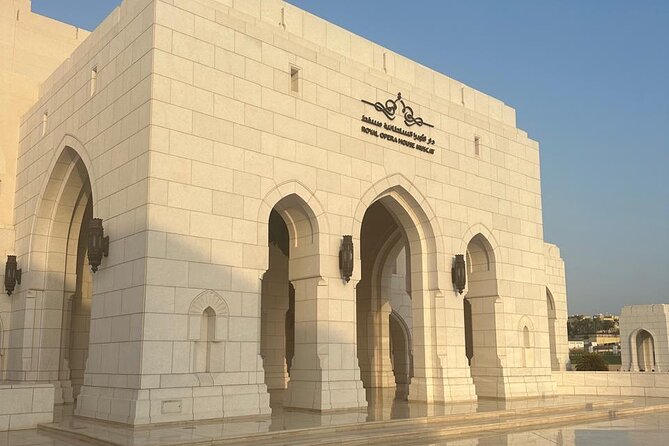
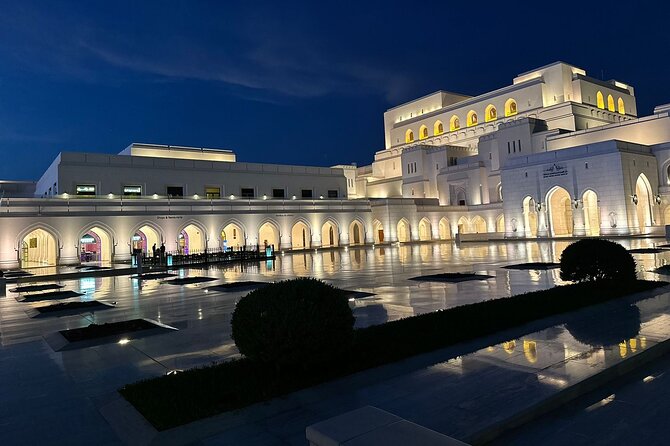
The Royal Opera House follows, with another 50-minute visit. This is more than a photo stop. It represents Oman’s investment in music and the arts, and the building provides a sharp contrast with the older markets and forts later in the trip.
At Bait Al Zubair, you get 30 minutes in a museum devoted to traditional Omani objects and customs. The short visit means you will need to focus, but it gives useful background before walking through Mutrah.
Mutrah is the day’s most atmospheric section. Allow about an hour for its narrow lanes and traditional shops. You can browse at your own pace, look at local goods, and get a feel for the old commercial quarter.
The nearby fish market is a smaller stop, only about 20 minutes, but I consider it one of the most useful. You can watch local buying and selling rather than simply view a monument from a coach window.
The day ends with a photo stop at Al Alam Palace, linked to Muscat’s Portuguese period. The schedule is full but reasonable, and the private vehicle should make the transitions easier. Still, five formal stops in one day can leave you wanting more time at Mutrah.
Day 2: Wadi Tiwi, Wadi Shab, Sur, and turtle country
Day 2 moves along the coast and quickly becomes more active. At Wadi Tiwi, you take a short walk among palms, water, and a village setting. It is a useful contrast to Wadi Shab because it shows how water supports settled life, not just swimming and scenery.
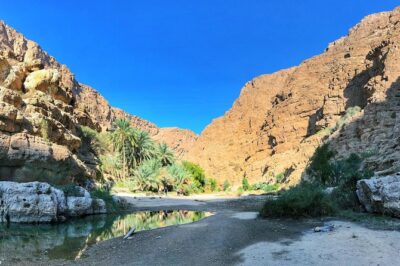
Wadi Shab is the day’s headline stop. Reaching the pools involves about one hour of walking, followed by another hour on the return. Once there, you can swim toward a cave, so this outing suits people with a moderate fitness level who are comfortable walking and entering the water.
This is the part of the tour that needs the clearest personal decision. If you have trouble with long walks or swimming, ask for the stated alternative rather than forcing the activity. Bring suitable swimwear, footwear for uneven ground, water, and protection from the sun. Those practical details matter more here than having a camera with you.
In Sur, the dhow factory offers a short look at traditional boatbuilding. The visit lasts about 30 minutes and connects the coastal scenery with Oman’s seafaring past. It is a compact stop, but the subject is distinctive and gives the day more cultural weight.
That evening, after an early dinner, you visit Ras Al Jinz Turtle Reserve. The program includes a short walk and a chance to watch turtles laying eggs. Wildlife sightings can never be treated as guaranteed, but the timing is designed around the nighttime nesting process.
The turtle visit may be tiring after Wadi Shab. I would treat it as a late night and keep the next morning simple if possible, though the schedule continues toward the desert.
Day 3: Turquoise pools and the Wahiba Sands
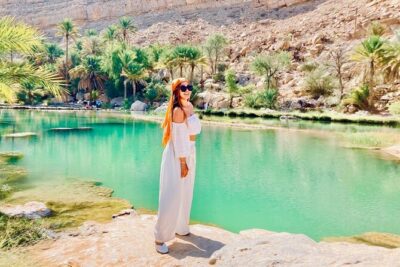
Wadi Bani Khalid brings a different look from Wadi Shab. Palms, cliffs, and turquoise pools create a striking setting, and the planned visit lasts about 90 minutes. You can expect another water-based stop, but the shorter time suggests a lighter visit than the previous day’s long walk and cave swim.
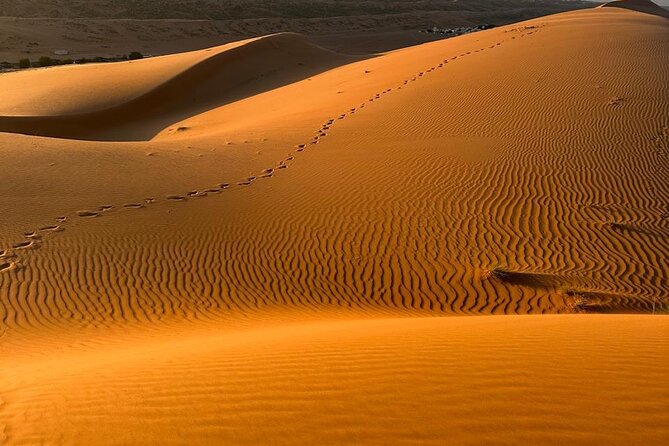
The road then leads to Wahiba Sands. The dunes are known for their changing shapes and strong colors, and the program allows about three hours in the desert before the overnight stay.
For me, the overnight is one of the tour’s best choices. A desert night changes the rhythm of the trip. After the formal sights in Muscat and the activity at the wadis, you get open space, quiet, and a chance to appreciate Oman’s scale.
The supplied details do not specify the camp standard, room type, meals, or included desert activities. Ask about these before booking. The price may look more attractive if accommodation and desert transfers are included, but the value is harder to judge without those details.
The desert can also be uncomfortable if you expect a resort. Ask what facilities are available and what you need to pack. The tour description sells the setting, not the exact camping conditions.
More Muscat trips to compare:
- Muscat: Daymaniat Islands Snorkeling Trip with Brunch
★ 4.7 · 2,317 reviews - From Muscat: Wadi Shab & Bimmah Sinkhole Full-Day Tour
★ 4.8 · 1,862 reviews - Muscat: Wahiba Desert and Wadi Bani Khalid Guided Group Tour
★ 4.8 · 820 reviews - Muscat: Half-Day Sightseeing Essentials Tour and Audio Guide
★ 4.2 · 598 reviews
Day 4: Birkat Al Mouz and the cool heights of Jebel Akhdar
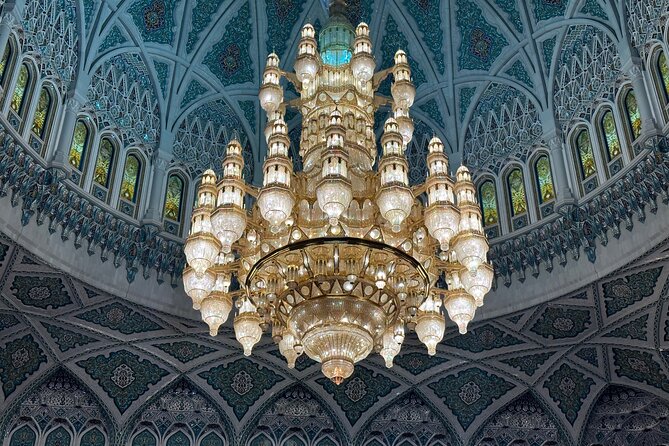
Day 4 leaves the dunes for the mountains. Birkat Al Mouz gives you 25 minutes among abandoned village ruins, where old homes were built around the limits of water and terrain.
Nearby Falaj Al Khatmain takes only about 10 minutes, but it explains an important part of Omani life. A falaj is an irrigation system that distributes water to farms and homes. This one is recognized by UNESCO, and seeing it in place helps you understand why villages could survive in dry country.
Jebel Akhdar, or Green Mountain, is the main destination of the day. The mountain is known for cooler air, terraced farms, and wide views. After warm coastal and desert days, that change in temperature is genuinely useful, not just scenic.
The planned mountain visit lasts about three hours, followed by an overnight stay. The wording suggests a fairly open visit rather than a tightly itemized series of attractions. That may suit you if you prefer viewpoints and village scenery over another museum, but ask what the mountain portion includes.
Mountain roads and elevation can make this day feel slower than the mileage suggests. The private arrangement is helpful here because your guide can explain the changing climate and farming patterns without rushing you from one viewpoint to the next.
Day 5: Misfat, Al Hamra, Bahla, and Jabreen
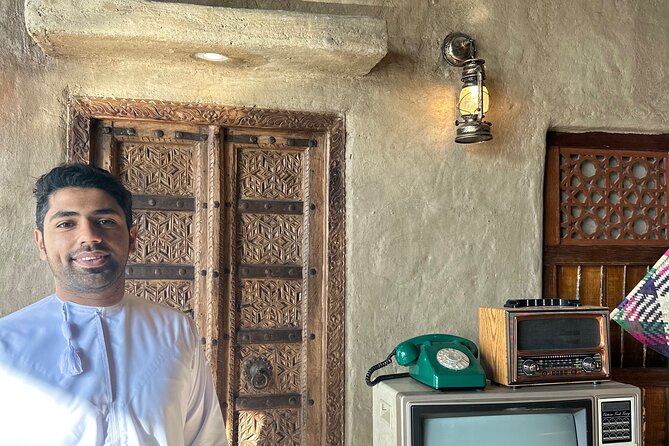
The fifth day focuses on old settlements and Omani building traditions. Misfat Al Abreyeen sits high on a mountain and is known for its unusual village layout. The houses appear tightly connected, making it difficult to tell where one begins and another ends.
The stop is listed as 30 minutes. That is enough for a first look and photographs, but not a long walk through every lane. If village architecture is your main interest, ask if extra time is possible.
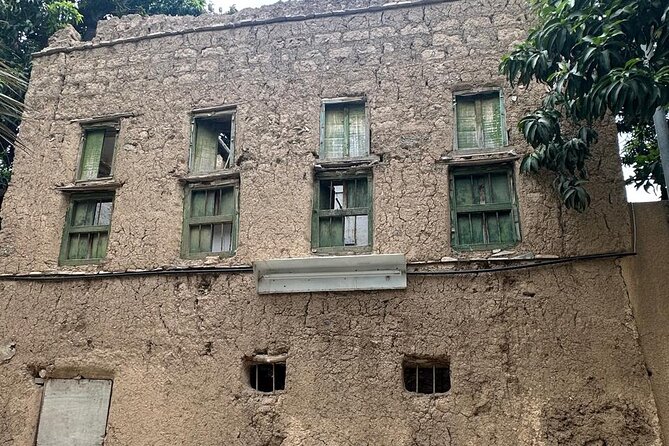
Al Hamra provides another look at older homes, this time built from clay. The stop lasts about 20 minutes, so it functions as a brief architectural visit. Together, Misfat and Al Hamra show how Omani communities adapted buildings to heat, slopes, and limited materials.
Bahla Fort is a photo stop rather than an internal visit. It is associated with one of Oman’s oldest forts and has UNESCO recognition, but you should not expect the same detailed exploration offered at Nizwa Fort or Jabreen Castle.
Jabreen Castle receives about an hour and is one of the day’s strongest interior visits. It combines defensive features with the feel of a residence, giving you a better sense of how power and domestic life once operated in the same building.
This is a good day for a guide who can explain construction, water use, and local customs. Several past guests singled out Issam’s warmth, language skills, and ability to make a private tour feel personal. Abdullah and Ahmed were also praised for punctuality, care, and clear explanations. The assigned guide may vary, so do not assume a particular person is guaranteed.
Day 6: Nizwa Fort, the old souq, and Oman Across Ages Museum
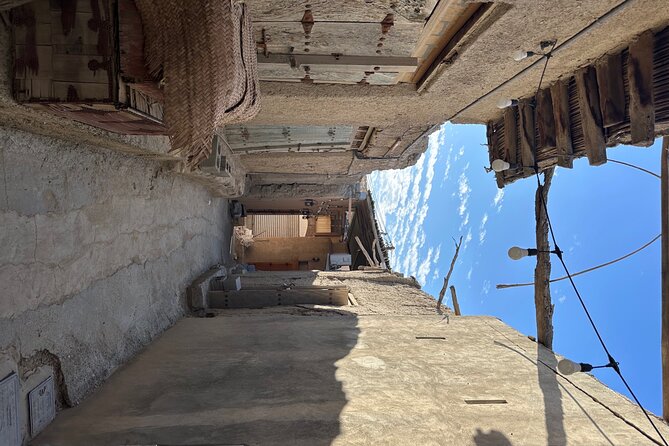
The final day is centered on Nizwa, Oman’s former capital. Nizwa Fort receives about 50 minutes for an internal visit. Its distinctive form and historical importance make it one of the trip’s essential stops.
Nizwa Souq follows with about an hour. This is the place to look beyond polished monuments and pay attention to commerce, local products, and the movement of people from different parts of the region. The souq is also your best chance to buy something connected to the places you have visited.
The final stop is Oman Across Ages Museum, opened in 2023. Its modern design and presentation of Oman’s different eras give the journey a contemporary finish. After seeing ruins, forts, villages, and traditional markets, the museum helps connect those pieces into a larger national story.
The day is not overloaded, which is welcome after five busy days. Nizwa also makes a sensible ending because it brings together the cultural subjects repeated across the route: fortifications, trade, water, architecture, and changing political power.
Price, meals, guiding, and overall value
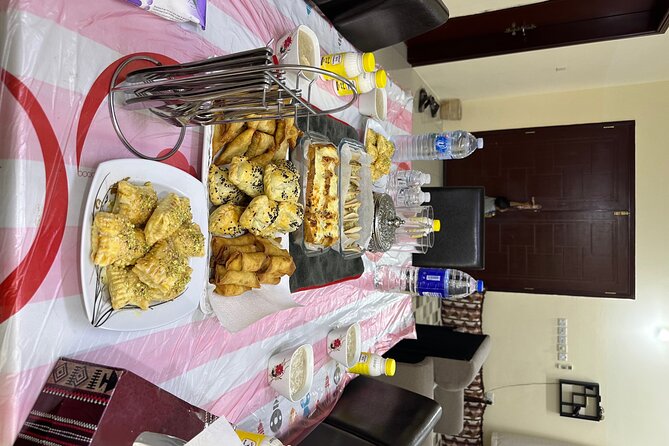
At $2,090.62 per person, this is a serious purchase. The price is easier to justify for a small private group that wants its own vehicle, guide, language support, and a route covering much of Oman in six days.
The value is less clear for a solo participant or a pair if accommodation, dinners, entrance fees, and desert services are not included. Three lunches and water are included, while brunch is excluded. Ask specifically about hotels, breakfasts, dinners, airport pickup, transport, fuel, Wadi Shab boat arrangements, and the desert camp.
The multilingual option is a real benefit. English, Spanish, French, German, Italian, Russian, Portuguese, and Arabic are listed. Issam has been praised for speaking many languages, including Italian, Russian, French, and Catalan, though you should confirm the language and guide assigned to your booking.
The tour is private, and group discounts are offered. That makes the best value question simple: how many people are sharing the cost? A family or group of friends may find the price more reasonable than two people booking separately.
Confirmation arrives when you book, and free cancellation is available up to 24 hours before the start time. Changes or cancellations inside that window are not accepted for a refund.
Who should book this Oman journey?
I would recommend it to you if you want one organized route through Oman without surrendering the feel of a personal trip. It suits families, culture-focused visitors, and active couples or friends who like switching between museums, markets, swimming spots, desert camps, and mountain villages.
It is less suitable if you want slow mornings, luxury hotels, or long stays in each place. The route covers a lot of ground, and Wadi Shab demands real effort. You should also be comfortable with early starts, changing scenery, and several different types of accommodation.
Should you book it?
Book this tour if your priority is seeing Oman’s main regions in one private trip while learning about local life from a multilingual guide. The strongest reasons are the broad route, the mix of ordinary markets and major monuments, the Wahiba Sands overnight, and the chance to adjust the experience for your group.
Before booking, get the missing practical details in writing: exact nights, hotels, meal coverage, vehicle arrangements, desert facilities, and the guide language. If those answers suit your budget and you are ready for the Wadi Shab walk, this is a well-shaped introduction to Oman that reaches far beyond Muscat.
FAQ
How long is the private Oman tour?
The tour lasts approximately six days. The title refers to five days and six nights, while the schedule lists activities from Day 1 through Day 6, so confirm the exact overnight arrangement before booking.
Is the tour private?
Yes. Only your own group participates in the private tour or activity.
What languages can the guides speak?
Professional local guides are offered in English, Spanish, French, German, Italian, Russian, Portuguese, and Arabic.
Is Wadi Shab suitable for everyone?
No. Wadi Shab requires about one hour of walking to reach the wadi and about one hour to return, followed by swimming to reach the cave. The experience is recommended only for people with a moderate fitness level who have no issues with this type of activity. An alternative can be requested.
Are meals included?
Water and three lunches are included. Brunch is not included. The supplied details do not specify all other meals, so ask about breakfast and dinner arrangements.
Is pickup available?
Yes. Pickup is offered as a tour feature.
What are the main places visited?
The route includes Muscat, Wadi Tiwi, Wadi Shab, Sur, Ras Al Jinz, Wadi Bani Khalid, Wahiba Sands, Birkat Al Mouz, Jebel Akhdar, Misfat Al Abreyeen, Al Hamra, Bahla, Jabreen, Nizwa, and Oman Across Ages Museum.
What is the cancellation policy?
You can cancel up to 24 hours before the experience start time for a full refund. Cancellations or changes made less than 24 hours before the start time are not accepted for a refund.
Newest Muscat trips added here
- Wahiba Desert Safari Adventure , Swimm in Wadi Bani Khalid★ 4.5 · 2 reviews
- Wadi Shab &Bimmah Sinkhole &Heart shaped Cave &Pebble Beach★ 5.0 · 5 reviews
- wadi shab and bimmah sinkhole tour from muscat★ 5.0 · 2 reviews
- Try scuba Diving Tours To Daymaniyat Islands.★ 5.0 · 12 reviews
- Private 2-Day Guided Tour with Nizwa Friday Market Visit★ 5.0 · 2 reviews
- Private scuba diving trips Muscat★ 4.5 · 2 reviews
- From Muscat Wadi Shab and Bimmah Sinkhole Tour★ 5.0 · 6 reviews
- Wahiba Sands&Wadi Bani Khalid desert Safari(Muscat tours)★ 4.5 · 6 reviews
5-Day Experiences, compared.
5 Days – 4 Nights Private Roundtrip Tours – Fatimah Tours
Read our review →

Oman Explorer: City, Wadis, and Desert 5-Day Adventure
Read our review →

Browse the lists this tour appears in