
Reviewed · MOUNTAIN TOURS IN MUSCAT
5-Days Private Oman Tour – Mountains, Deserts & Coastline
Oman packs a lot into five days. This private roundtrip links Muscat’s mosques and souqs with swimming wadis, a desert camp, old forts, mountain villages, and long coastal roads. I especially like the private 4WD transport, which gives your group room to adjust the pace, and the striking variety, from Wadi Shab’s turquoise pools to the red-gold sands of Wahiba.
The tour also earns praise for its careful guides. Guides named in past bookings include Amer, Saeed, Khalil, Ali, Ahmed, and Waleed, with repeated praise for safe driving, patience, cultural explanations, and practical help. The main concern is the pace: five days cover a great deal of ground, and Wadi Shab, Wadi Bani Khalid, and the mountain areas all require some physical effort.
In This Review
- What makes this Oman tour worth considering
- Muscat in one morning: mosque, opera and souq
- Wadi Shab and the coast: the tour’s most active day
- Sur and Wahiba Sands: boats, goats and desert light
- Jebel Akhdar and Birkat Al Mouz: Oman’s mountain water
- Nizwa, Al Hamra and Jebel Shams on the final day
- What the $1,591 price includes
- Guides, comfort and the private format
- Who should book this Oman route?
- Should you book it?
- FAQ
- How long is the Oman tour?
- Where does the tour start and end?
- Is pickup included?
- Is this a private tour?
- What type of transportation is provided?
- Are meals included?
- Is Wadi Shab suitable for everyone?
- Do I have to pay extra for turtle watching or a camel ride?
- What is the cancellation policy?
What makes this Oman tour worth considering
- Muscat begins with major landmarks: Visit Sultan Qaboos Grand Mosque, the Royal Opera House, Mutrah Souq, Al Alam Palace, and the old harbor forts.
- Wadi Shab is the physical highlight: Expect a roughly 35-minute walk into the canyon, swimming between pools, and the chance to reach a narrow cave with a waterfall.
- You sleep in the Wahiba Sands: A dune drive, sunset from the sand, dinner, and a campfire give the desert night real character.
- Private travel keeps the route flexible: Only your group takes part, with pickup and drop-off anywhere in the Muscat area.
- Oman’s old irrigation system gets its due: Birkat Al Mouz and the Al Kattmyn aflaj show how villages have supported life in dry mountain country.
- The price includes useful basics: Four nights of accommodation, four breakfasts, three dinners, water, an English-speaking guide, transportation, and applicable entrance fees are included.
Muscat in one morning: mosque, opera and souq
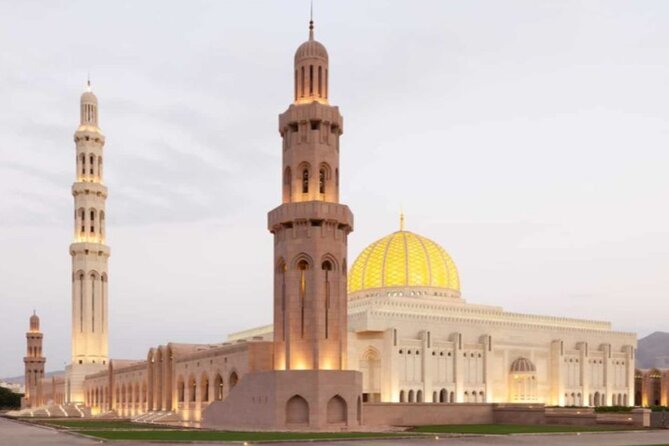
The tour starts around 8:30 AM with Sultan Qaboos Grand Mosque. This is not a quick roadside photo stop. You have about an hour to see the grand prayer hall and its famous Iranian carpet, described as one of the world’s largest single-piece handmade carpets. It weighs 21 tons and can hold up to 20,000 worshippers.
The mosque is an important first visit because it gives you a sense of Oman’s modern public identity: polished, spacious, and strongly connected to Islamic tradition. Dress modestly, and bring clothing that covers shoulders and knees. The information provided does not spell out visiting hours or dress rules, so confirm the current arrangements before you go.
Next comes the Royal Opera House, also with about an hour scheduled. Its purpose is cultural rather than religious, serving as a center for international arts and cultural exchange. Including both the mosque and opera house makes the first morning more rounded than a simple sightseeing drive.
At Qurum Beach, you get around 30 minutes for photographs and a taste of Omani bread with honey and karak tea. This is a small but worthwhile touch. The tea and bread break up the formal sightseeing and give you a brief taste of everyday hospitality.
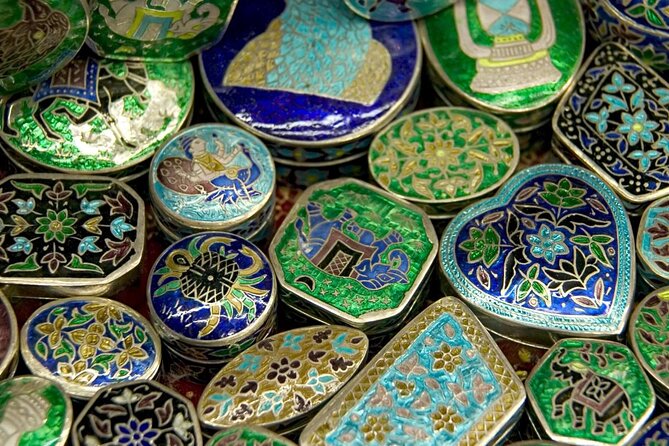
Mutrah Souq follows for about an hour. The market is known for souvenirs, local crafts, spices, and silver goods, and its trading tradition reaches back roughly two hundred years. You will have time to browse, but do not expect an unhurried shopping expedition. If you want silver jewelry or handmade pieces, look carefully, compare prices, and ask your guide about local styles.
The final Muscat stops are brief: Al Alam Palace gets about 10 minutes, followed by photo stops at Al Jalali and Al Mirani, the Portuguese-era forts guarding the harbor. These forts are visually impressive, but the schedule treats them as exterior views rather than long interior visits. The listed information also says admission to the forts is not included, so clarify exactly what can be entered on your date.
More Mountain Tours in Muscat
- From Muscat: Nizwa and Jebel Akhdar Tour with Lunch
★ 4.8 · 319 reviews - Nizwa Fort-Nizwa Souq-Misfah Al Arbyeen-Jebel Shams – Private Full Day Tour
★ 5.0 · 220 reviews - Full Day Private Nizwa/Jebel Akhdar
★ 5.0 · 205 reviews
Wadi Shab and the coast: the tour’s most active day
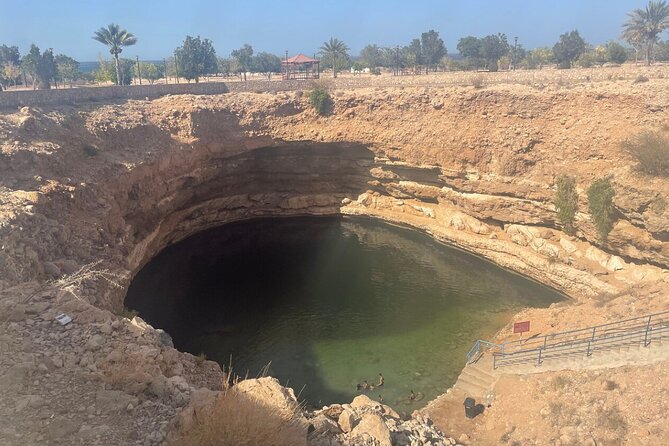
Day two leaves Muscat at approximately 8:30 AM and heads along the coast. Bimmah Sinkhole is the first stop, with an hour to see the large crater and the small lake at its base. Local explanations often connect its formation with a meteor, though the supplied tour information presents this as a belief rather than a confirmed fact.
Fins Beach is next. Its white stones and blue water make it a fine place for a short pause, but this is not presented as a full beach day. Pack swimwear, sunscreen, and footwear that can handle pebbles if you want to get close to the water.
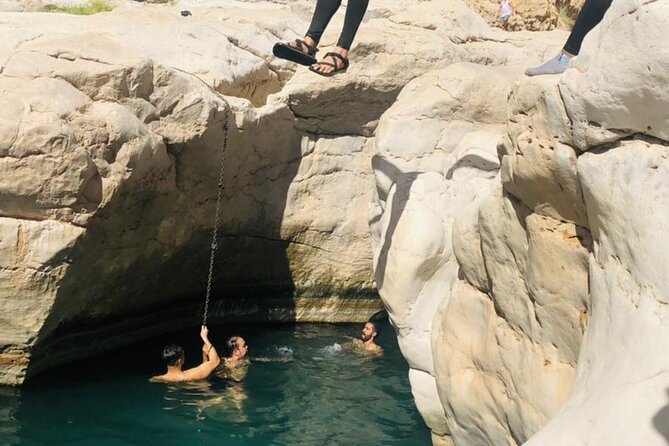
Then comes Wadi Shab, with about five hours allocated. This is the part of the trip that demands the most preparation. You walk for roughly 35 minutes through a canyon lined with palms and shaped by mountain water. At the pools, you can swim from one section to the next, eventually reaching an opening between rocks.
The final cave section requires swimming through the last pool. Inside, light enters through the rocks, and a small waterfall drops into the water. It is a memorable setting, but you should be comfortable in water and able to manage uneven walking. The tour data recommends a moderate fitness level, and this stop explains why.
Your guide can help with pacing and practical details, but the experience still depends on weather and water conditions. The tour requires good weather, and poor conditions can lead to a different date or a full refund. Ask ahead about what to bring and how much time you will spend in the water.
Wadi Tiwi provides a gentler contrast. The 30-minute photo stop looks across a greener valley with plantations around Tiwi village. It is a short visit, but it helps you see that Oman’s wadis are not all the same. Some are dramatic swimming corridors, while others are working agricultural valleys.
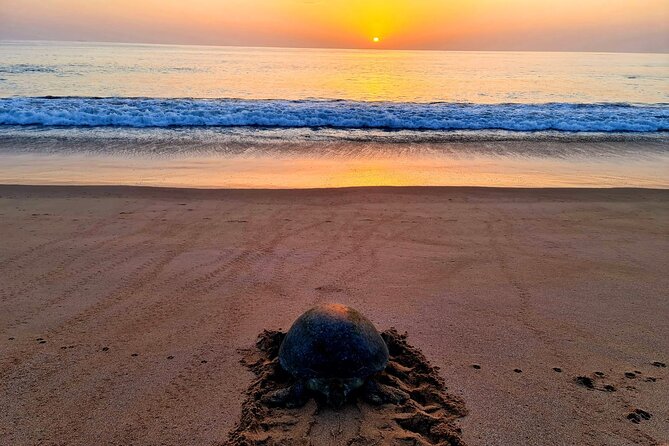
The night is at Turtle Beach Resort near Ras Al Hadd Castle. Turtle watching is optional and costs 12 OMR per person, paid directly. Because this is an extra activity rather than part of the package, confirm the timing and availability at the resort.
Sur and Wahiba Sands: boats, goats and desert light
After breakfast on day three, the route reaches Sur. You have about an hour to see the city and some old fortifications. Sur matters because it connects Oman’s coastal life with its seafaring past.
The traditional dhow factory gives that past a human scale. For around an hour, you can watch wooden Arabian boats being built. This is more engaging than simply looking at a finished vessel in a museum because the craft itself is the subject.
The itinerary then includes a 30-minute stop at an Omani ghazal farm in Al Kamel, also called Asilel Farm. It is a brief visit, so consider it an added glimpse of local life rather than a major attraction.
Wadi Bani Khalid receives about three hours. Compared with Wadi Shab, it is presented as a place to swim, sunbathe, relax, or enjoy a picnic among the canyon walls. You get another chance to cool off in Oman’s interior, but the schedule includes two water-based wadis close together, so pack your day bag with a dry change of clothes and a towel.
Late afternoon brings Wahiba Sands. The 4WD vehicle takes you toward the desert camp, where you can rest or pay for a dune drive. The exact dune-drive price is not stated, so ask before adding it.
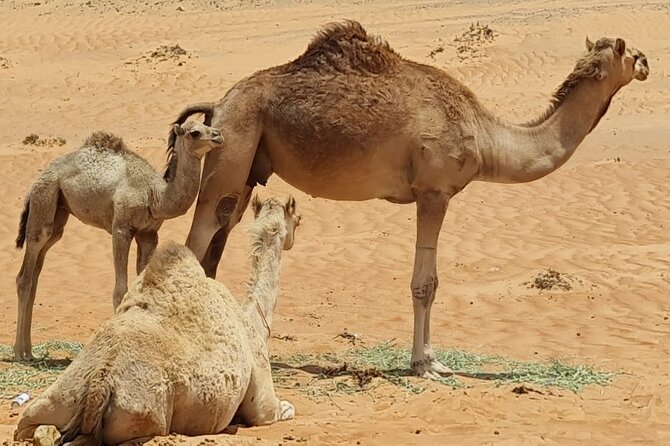
Sunset is the main event. From a high dune, the sands change color as the light fades. Dinner at camp and time around a campfire follow. A camel ride costs 3 OMR per person, paid directly, and can add a classic desert moment without changing the whole evening.
The desert night is one of the strongest reasons to choose this tour. You are not merely driving through the sands on the way to somewhere else. You spend the evening there, eat dinner, and sleep at camp. At the same time, desert accommodation can be simpler than a city hotel, so ask what room or tent arrangement applies to your booking.
Jebel Akhdar and Birkat Al Mouz: Oman’s mountain water
Day four turns inland and upward toward Jebel Akhdar, or the Green Mountain. The area belongs to the Al Hajar range and reaches about 2,980 meters, with the Saiq Plateau around 2,000 meters above sea level.
The written schedule gives only three minutes to the Jebel Akhdar stop, which suggests a viewpoint or brief orientation rather than a full mountain excursion. If mountain scenery is a major reason for booking, ask the operator how much time your group will actually have there. A private tour may allow some adjustment, but the published schedule should be treated as a guide, not a promise of a long hike.
After lunch, the route continues to Birkat Al Mouz, a mountain village with old ruins and views of traditional settlement patterns. You have roughly an hour at the village, then another 15-minute viewpoint stop. The repeated listing of Birkat Al Mouz appears to mean two separate looks at the village and its old section.
The Al Kattmyn aflaj irrigation system is given about an hour. Oman’s aflaj channels carry water to villages and farmland, and Al Kattmyn was added to the UNESCO World Heritage list in 2006 as one of five Omani irrigation systems. This stop adds useful context to the wadis and plantations you have already seen. It shows how people made settled life possible in a dry country.
Day four appears lighter on named sights than the other days, but it is still a transition day. You will have already covered the coast, wadis, and desert, and the mountain villages provide a slower change of mood.
A different way to spend the day out of Muscat:
- Muscat: Daymaniat Islands Snorkeling Trip with Brunch
★ 4.7 · 2,317 reviews - From Muscat: Wadi Shab & Bimmah Sinkhole Full-Day Tour
★ 4.8 · 1,862 reviews - Muscat: Wahiba Desert and Wadi Bani Khalid Guided Group Tour
★ 4.8 · 820 reviews - Muscat: Half-Day Sightseeing Essentials Tour and Audio Guide
★ 4.2 · 598 reviews
Nizwa, Al Hamra and Jebel Shams on the final day
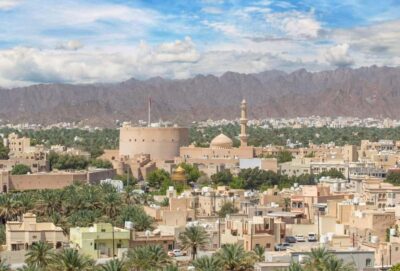
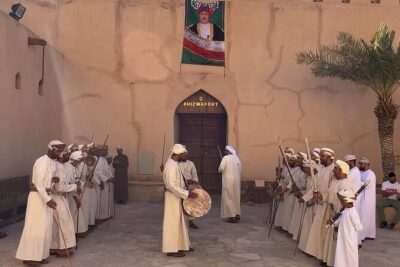
The last morning heads to Nizwa, once Oman’s capital. Nizwa Fort gets about an hour and includes museum displays and broad views over the old town and nearby mountains. Its thick defensive design and position above the town help explain Nizwa’s former importance.
Nizwa Souq is next. The market is spread into sections for fruit and vegetables, meat, and fish, with Omani silver and handmade items also available. Give yourself time to look without feeling pressured to buy. Silver craft is one of the more distinctive shopping options on the route, while the food sections offer a clearer view of ordinary market life.
Al Hamra Old Village receives two hours. The nearby mountain village of Misfah Al Abryeen is known for some of Oman’s oldest preserved houses. This is a valuable stop for anyone who wants more than forts and scenic viewpoints. You see how older homes fit into the mountain setting and how village life differs from Muscat’s polished avenues.
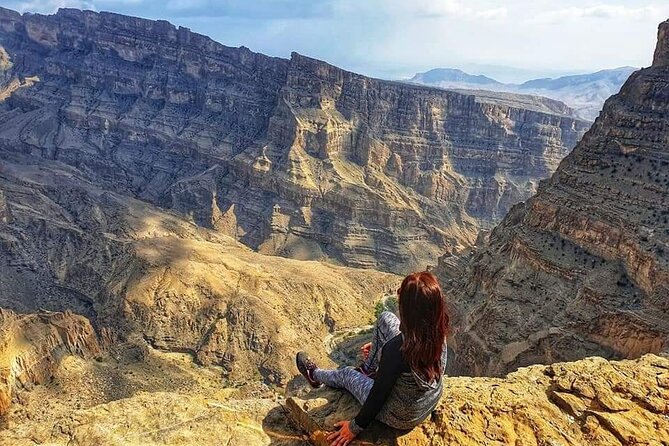
The final major stop is Jebel Shams, often called the Grand Canyon of Oman. The mountain reaches about 3,009 meters according to the Omani tourism information cited for the tour. Four hours are scheduled here before returning to Muscat.
That final return makes day five long. You get a strong final view, but the route does not leave much room for a relaxed finish. If you prefer slow travel, you may want to ask about ending in Nizwa or staying in the mountains instead of returning to Muscat, though that would be a change from the stated roundtrip plan.
What the $1,591 price includes
At $1,591 per person, this is not a budget bus tour. The price is easier to assess once you account for the private 4WD, an English-speaking Omani guide, pickup and drop-off anywhere in the Muscat area, four nights of accommodation, four breakfasts, three dinners, drinking water, and applicable entrance fees.
For a solo traveler, the per-person cost is substantial. It becomes more competitive when shared by two or more people because the vehicle, guide, and private service are spread across your group. Group discounts are offered, though the amount is not specified.
Lunch is not included, and neither are personal purchases or optional activities. Budget separately for the turtle watching, camel ride, dune drive, souvenirs, and lunches. The tour offers single, double or twin, and triple room arrangements, plus two double rooms for four people.
The most valuable part of the price is the driving. Oman’s route covers long distances between Muscat, the coast, the desert, the mountains, Nizwa, and Jebel Shams. Having one vehicle and guide for the full circuit saves you from arranging separate transfers and finding your own way through the wadis and desert.
Guides, comfort and the private format
The strongest service theme is personal attention. Amer is praised for kindness and thoughtful care, Saeed for safe driving, Khalil for patience, and Waleed for preparation and attention to family needs. One booking included children aged 10 and 13 and an 80-year-old family member, while another guide contacted the group before departure with advice on clothing and supplies.
That pre-trip contact matters here. You need different clothing and gear for mosque visits, beaches, swimming wadis, desert evenings, and mountain stops. A good guide can also help you manage the day when a hike, swim, or long drive becomes tiring.
Only your group takes part, so you do not share the vehicle with strangers. This is especially useful at Wadi Shab, where you may need extra time, and for families who want help adjusting the pace. Still, private does not mean leisurely. The route remains ambitious, and several days involve long drives.
The tour includes air-conditioned 4WD transport and water. Accommodation details are not fully specified beyond Turtle Beach Resort and a desert camp, so ask for the exact hotel and camp names before paying if room standards matter to you.
Who should book this Oman route?
I would choose this trip if you want a broad first look at Oman without arranging every transfer yourself. It suits couples, families, and small private groups who want nature, culture, and scenery in one circuit.
You should be comfortable with early starts, road time, hot conditions, uneven paths, and swimming. Wadi Shab is not a passive sightseeing stop, and the desert and mountain days bring their own physical demands.
This may not suit you if you want several unplanned afternoons in Muscat, long stays at the beach, or a luxury-focused hotel holiday. It is designed for seeing a great deal of Oman in a short period, not for staying put.
Should you book it?
Book this tour if variety matters more to you than a slow pace. In five days, you get Muscat’s major sights, two very different wadis, the coast near Sur, a desert night, mountain villages, Nizwa Fort, and Jebel Shams.
Before booking, confirm the exact accommodation, the amount of time planned at Jebel Akhdar, the dune-drive cost, and the current arrangements for fort entry and turtle watching. If those details suit you, the private format and attentive guiding make the price easier to justify, especially for a small group sharing the vehicle.
FAQ
How long is the Oman tour?
The experience lasts approximately five days and includes four nights of accommodation.
Where does the tour start and end?
It starts in Muscat, Oman, and returns to the meeting point in Muscat at the end.
Is pickup included?
Yes. Pickup and drop-off are offered anywhere in the Muscat area.
Is this a private tour?
Yes. Only your group takes part in the activity.
What type of transportation is provided?
Transportation is provided in an air-conditioned 4WD vehicle.
Are meals included?
Four breakfasts and three dinners are included. Lunch is not included.
Is Wadi Shab suitable for everyone?
The tour recommends a moderate physical fitness level. Wadi Shab involves about a 35-minute hike and swimming through pools to reach a cave, so you should be comfortable with walking and swimming.
Do I have to pay extra for turtle watching or a camel ride?
Yes. Turtle watching costs 12 OMR per person, paid directly, and a camel ride costs 3 OMR per person, also paid directly. The dune-drive price is not specified.
What is the cancellation policy?
You can receive a full refund if you cancel at least three full days before the experience start time. Cancellations or changes made less than three full days in advance are not accepted for a refund, and poor weather may lead to a different date or a full refund.
Newest Muscat trips added here
- Wahiba Desert Safari Adventure , Swimm in Wadi Bani Khalid★ 4.5 · 2 reviews
- Wadi Shab &Bimmah Sinkhole &Heart shaped Cave &Pebble Beach★ 5.0 · 5 reviews
- wadi shab and bimmah sinkhole tour from muscat★ 5.0 · 2 reviews
- Try scuba Diving Tours To Daymaniyat Islands.★ 5.0 · 12 reviews
- Private 2-Day Guided Tour with Nizwa Friday Market Visit★ 5.0 · 2 reviews
- Private scuba diving trips Muscat★ 4.5 · 2 reviews
- From Muscat Wadi Shab and Bimmah Sinkhole Tour★ 5.0 · 6 reviews
- Wahiba Sands&Wadi Bani Khalid desert Safari(Muscat tours)★ 4.5 · 6 reviews
Mountain Tours in Muscat, compared.
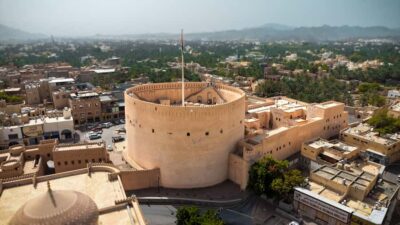
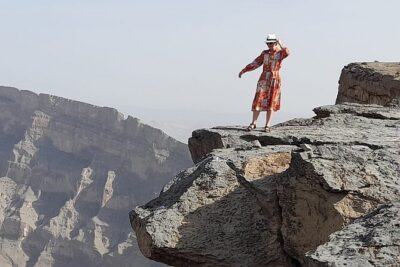
Nizwa Fort-Nizwa Souq-Misfah Al Arbyeen-Jebel Shams – Private Full Day Tour
Read our review →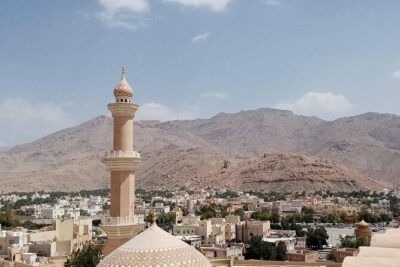
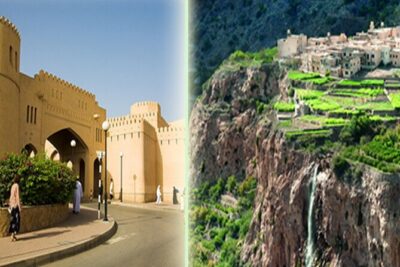
Nizwa Fort-Nizwa Souq-Birkat Al Mouz-Jebel Akhdar – Private Full Day Tour
Read our review →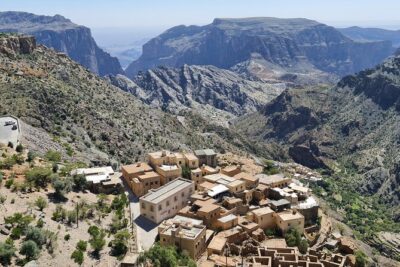
Browse the lists this tour appears in