
Reviewed · DAY TRIPS IN SALALAH
Enjoy a Full-Day Tour Uncovering East Salalah’s Hidden Gems
Sea, mountains, camels, and ancient trade meet here. This East Salalah tour packs Dhofar’s best contrasts into one long day, from Taqah’s palm-lined shore to the old frankincense port of Sumhuram. I especially like the mix of Wadi Darbat’s waterfalls and animals and the rare baobab trees of Hinnah Valley. The main consideration is pace: eight stops in six to eight hours leaves limited time at some places.
I also like that this is a private tour, so your guide can adjust the day for children, photo stops, or extra time at a favorite place. Guides such as Hamid, Hamed, and Hafez are praised for careful driving, fluent English, patience, and friendly help on rougher paths. Taqah Castle is currently under maintenance, so you may spend more time at the nearby cliff viewpoint instead.
In This Review
- Key points to know before booking
- Why this East Salalah day works so well
- Taqah Beach starts the day beside the palms
- Taqah Castle brings Dhofari life into focus
- Taqah Cliff Viewpoint opens the Indian Ocean below
- Wadi Darbat is the day’s natural centerpiece
- Tawi Attair reveals a limestone sinkhole
- Gravity Point adds a harmless roadside mystery
- Hinnah Valley has Dhofar’s rare baobab trees
- Sumhuram links the scenery to frankincense trade
- Transport, timing, and the private-tour advantage
- What the $207 price really buys you
- Best time, clothing, and practical preparation
- Who should book this East Salalah tour?
- FAQ
- How long does the East Salalah tour last?
- Is pickup included?
- Is this a private tour?
- What is included in the price?
- What kind of vehicle is used?
- Is Taqah Castle open?
- Does Wadi Darbat have boating activities?
- Is walking required?
- What happens if bad weather cancels the tour?
Key points to know before booking
- Wadi Darbat changes with the season: After the khareef monsoon, its pools, streams, and small falls can be at their most inviting.
- The baobab grove is genuinely unusual: Dhofar has about 200 of these huge trees, a species more often linked with Africa and Madagascar.
- You get sea views and mountain scenery in one day: Taqah begins the trip beside the Indian Ocean, while Darbat and Hinnah lead into the Samhan mountains.
- The Gravity Point stop is a playful roadside puzzle: Put a vehicle in neutral and it appears to roll uphill.
- Sumhuram adds real historical weight: The ancient port connects the day’s natural sights with Dhofar’s old frankincense trade.
- Private transport keeps the day flexible: Groups of up to three use a two-wheel-drive vehicle, while larger groups use four-wheel-drive vehicles.
Why this East Salalah day works so well
Salalah is not only a beach destination. Its eastern side moves quickly from coastal villages and old forts to green valleys, limestone formations, giant trees, and archaeological remains. This tour gives you that broad picture without asking you to arrange separate taxis, drivers, and site visits.
The route also has a good sense of progression. You begin at sea level in Taqah, climb toward Wadi Darbat and the Samhan range, then finish at Sumhuram near the coast. In practical terms, it feels less like a string of unrelated photo stops and more like a lesson in how Dhofar’s coast, mountains, water, trees, and trade routes fit together.
The listed price is $207 per person. That is not a cheap sightseeing outing, but the value improves if you are traveling with family or friends because the price includes a private vehicle, guide, bottled water, transport, and admission fees. You are paying for a full day of driving across a large area, not just entry to one attraction.
The tour has a five-star rating from 26 ratings and a 100 percent recommendation rate. The praise is strongest for the guides’ care, flexibility, English, and local knowledge. Several people describe guides helping children along difficult paths, arriving early for pickup, and adding worthwhile stops when time and family needs allowed.
More Day Trips in Salalah
- West Salalah, Al Mughsail Beach, White Beach, Frankincense Tree (Half day Tour)
★ 5.0 · 41 reviews - Full Day Guided Salalah a Combination of East and West tour
★ 5.0 · 20 reviews - Explore West Salalah’s Stunning Natural Scenery – a Full-Day Tour
★ 5.0 · 20 reviews
Taqah Beach starts the day beside the palms
The first stop is Taqah Beach, a short introduction to the coastal side of Dhofar. Tall palms line the sandy shore, and the Indian Ocean provides a calm opening scene before the road turns inland.
You have about 15 minutes here, so think of this as a chance to take photographs, breathe in the sea air, and get your bearings rather than a full beach visit. Dolphins are sometimes seen near the shore, but sightings are not promised.
Taqah itself is known for fishing, dried sardines, farm produce, and traditional Dhofari mud houses. Those details matter because the town gives you a sense of ordinary local life, rather than presenting Salalah only as a collection of scenic viewpoints.
Taqah Castle brings Dhofari life into focus
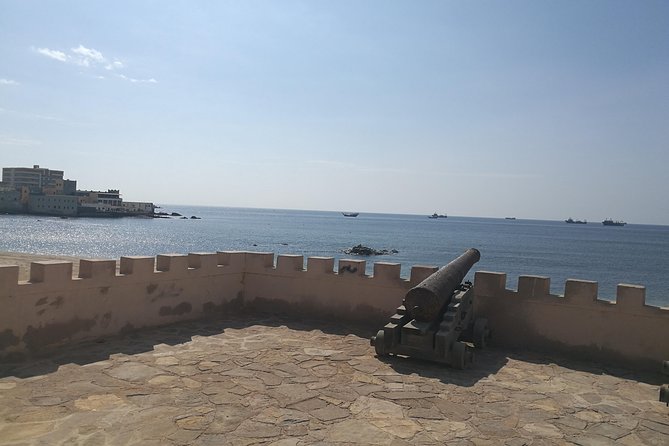
The tour then drives through Taqah’s plantations to Taqah Castle, once the home of the local wali, or governor. The building now functions as a museum, with displays that offer a look at older domestic life and the town’s former importance.
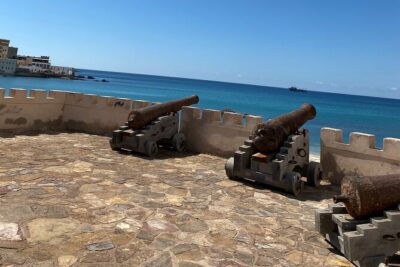
Allow about an hour for this part of the visit when the site is open. The nearby watchtower and old fort on the hill add another layer to the stop, especially if you enjoy seeing how local authority and coastal defense once shaped a town.
There is one important current restriction. Taqah Castle is under maintenance, so access may be limited or unavailable when you visit. The operator says extra time will be offered at Taqah Cliff Viewpoint instead. Check the situation when booking if the castle is a major reason for choosing the tour.
Taqah Cliff Viewpoint opens the Indian Ocean below
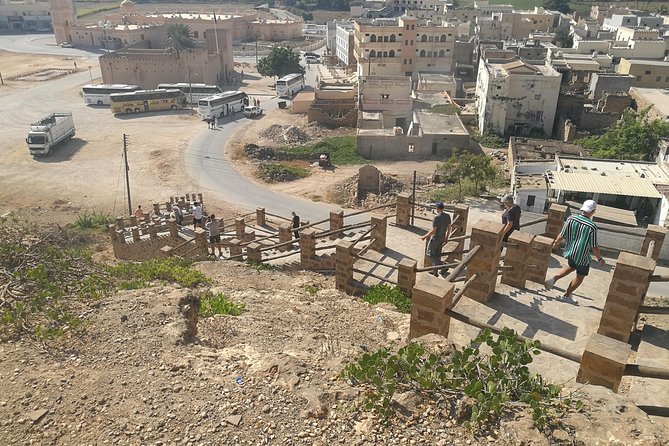
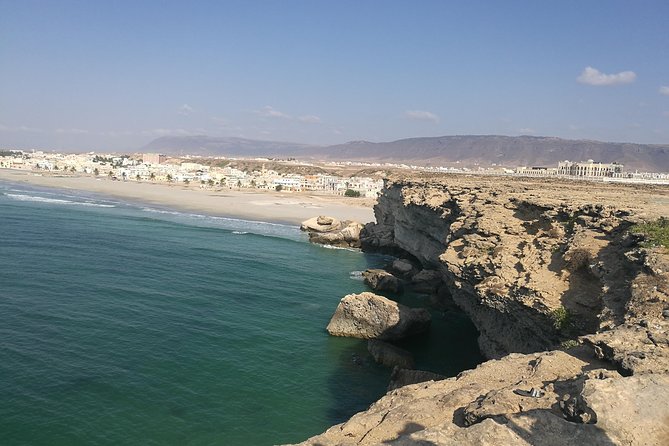
The cliff stop gives you a wide view over the sea and the rugged coast. From above, the contrast between the blue water and steep rock faces is the main attraction, with Taqah and its shoreline spread below.
You have roughly 15 minutes here. That is enough for photographs and a quick pause, though not for a long walk or a slow picnic. If the castle remains closed, this viewpoint becomes more important, and the extra time can help balance the change.
Bring a phone or camera with enough storage. The tour has several strong photo settings, and the cliff, beach, palms, and mountain roads all look very different from one another.
A different way to spend the day out of Salalah:
- East Salalah Mountain Safari, Wadi Darbat, Beach, Camels, Dunes
★ 5.0 · 206 reviews - Mountain Safari Private Tour
★ 5.0 · 105 reviews - Sunset Desert Safari Salalah Tour in Rub Al Khali – Empty Quarter
★ 5.0 · 91 reviews - Salalah: Sunset Desert Safari – Rub Al Khali – Empty Quarter
★ 4.6 · 79 reviews
Wadi Darbat is the day’s natural centerpiece
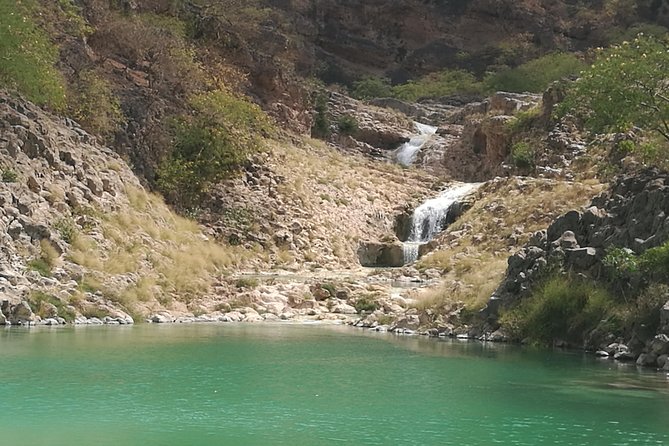
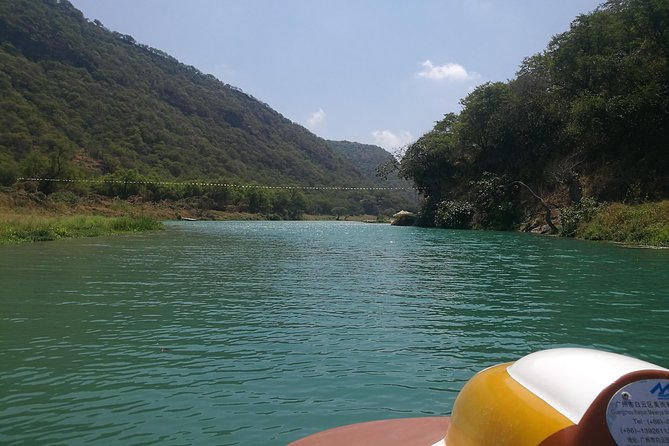
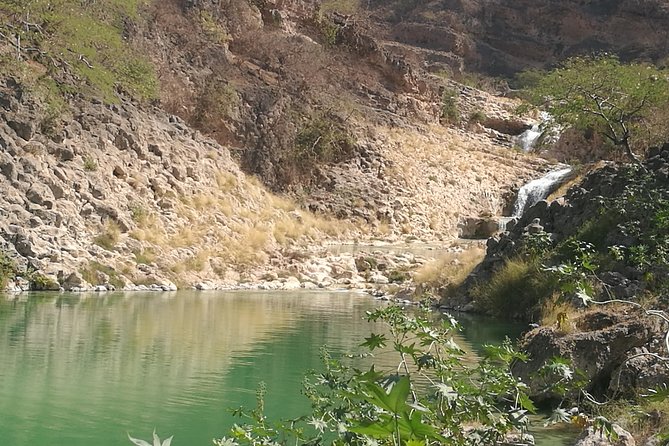
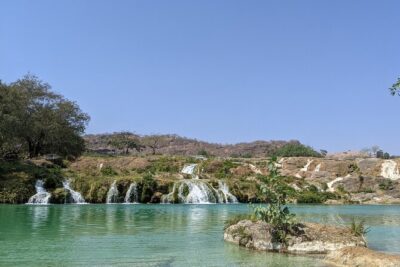
Wadi Darbat is likely to be the most rewarding stop for families and anyone who wants water and open-air scenery. The valley has a natural spring, a lake, seasonal streams, and small waterfalls. After the khareef monsoon, the water features can be especially attractive.
The itinerary allows about an hour, but the feel of the place depends heavily on weather and season. At certain times, you may see pedal boats, speedboats, and kayaks available around the water. These activities are seasonal, so do not book the tour solely for boating.
The valley is also used by local herders. Camels, goats, and cattle may be seen moving through the area, which gives the stop a pleasant sense of daily life rather than a polished park atmosphere.
The paths can be rocky or uneven. Guides have helped families with children along more difficult sections, but you should still wear practical shoes and keep your expectations sensible. This is not a fully paved attraction from start to finish.
Wadi Darbat can become busy during favorable weather, especially in the monsoon season. The private format helps because you can discuss how long to stay, but the overall day still has several stops to cover.
Tawi Attair reveals a limestone sinkhole
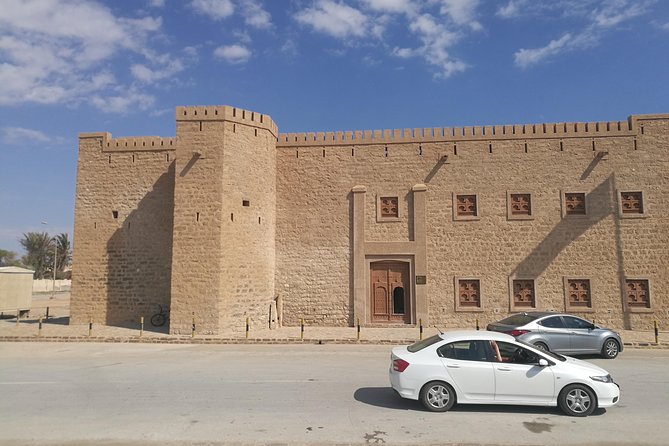
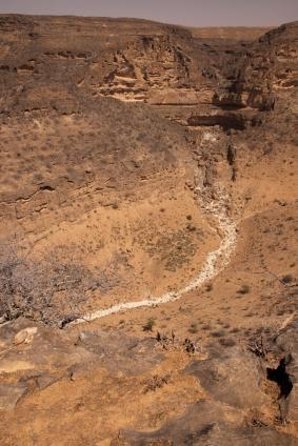
After Darbat, the road climbs through open mountain country and settlements associated with the Jabbali communities. About 20 minutes beyond the valley, you reach Tawi Attair, known locally as the well of birds.
The sinkhole is around 211 meters deep, roughly the height of a 60-story building. From the viewpoint, you look into a huge opening formed in limestone. Birds nest in the walls, and their calls can echo around the rock.
You get about 30 minutes here. The stop is more about seeing the formation and hearing the guide explain it than walking into the sinkhole. Keep to the viewpoint and take care near the edge, particularly if you are traveling with children.
This is one of the tour’s better geology stops because it breaks up the softer scenery of water and trees. You see that Dhofar is not simply green during the monsoon. Its mountains also contain dramatic rock forms shaped over a very long period.
Gravity Point adds a harmless roadside mystery
The next stop takes you down the slopes of Samhan Mountain to a section of road known as Gravity Point. Put a vehicle in neutral, and it appears to move uphill instead of downhill.
You spend about 25 minutes here, enough to watch the demonstration and try to make sense of the effect. It is a lighthearted stop, not a major natural attraction, but it gives the day some variety. After several scenic viewpoints, a small roadside puzzle can be surprisingly fun.
The effect is described as a natural phenomenon, though the stop is best treated as an optical and terrain-based curiosity rather than a scientific centerpiece. Your guide can explain what you are seeing, and you can decide for yourself whether gravity has briefly taken the afternoon off.
Hinnah Valley has Dhofar’s rare baobab trees
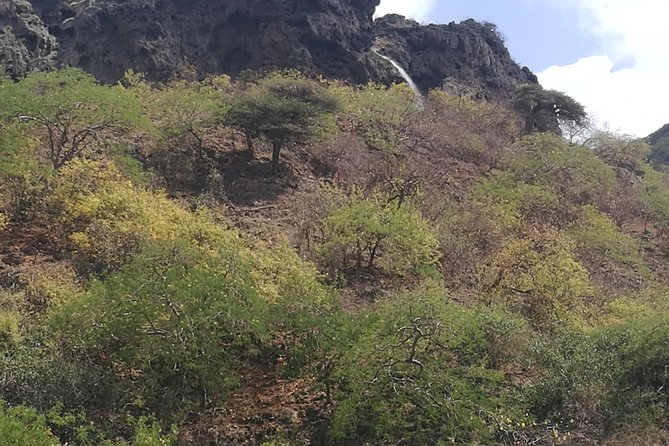
Hinnah Valley is the most distinctive botanical stop on the route. Here you see giant baobab trees, locally called Ankiji or Al Mashwa. The species is identified in the tour information as Adansonia digitata, and Dhofar is said to have about 200 baobabs.
Some can reach 25 meters in height and two meters in trunk diameter. Their thick trunks and unusual branches make them easy to recognize, but the setting is just as important. The trees grow among the mountain valley rather than in a formal garden, so the stop feels tied to the local terrain.
You have around 30 minutes for photographs and a short walk. There may be some climbing or uneven ground, so sandals are not ideal. The tour information specifically warns that the baobab valley requires slight physical effort.
This stop is especially valuable if you have already seen baobabs in Africa or Madagascar and want to understand their less expected range. If you have not, the trees provide a memorable change from the palms and waterfalls seen earlier in the day.
Sumhuram links the scenery to frankincense trade
The final stop is Sumhuram Old City, a UNESCO World Heritage site on a small hill overlooking the Indian Ocean. The ruins belong to an ancient port that dates back several centuries before Christ and played an important role in Dhofar’s frankincense trade.
You have about 30 minutes at the site, including a six-minute film at the information center. The short presentation helps place the ruins in context before you look across the remaining walls and the coast beyond them.
Sumhuram is not a vast archaeological complex, so do not expect hours of wandering. Its value comes from the setting and the story. After seeing present-day Taqah, mountain valleys, and frankincense country, you finish at a port that helps explain why Dhofar mattered to old trade networks.
There are stairs and some walking at the archaeological site. The effort is modest, but you should be comfortable with short climbs and uneven surfaces.
Transport, timing, and the private-tour advantage
The advertised duration is six to eight hours. A common full-day schedule runs from about 9 a.m. to 6 p.m., though the exact timing can change with pickup points, road conditions, weather, and how long you spend at each stop.
Pickup is offered, and transport is in an air-conditioned vehicle with bottled water. Groups of one to three adults use a two-wheel-drive vehicle. Four to six adults use a four-wheel-drive vehicle, while seven to nine adults are split between two four-wheel-drive vehicles with one guide and two drivers.
That arrangement matters on the mountain roads. A private vehicle means you are not sharing every pause with strangers, and families can ask for help or adjust the pace. It does not mean the tour is leisurely. Eight stops over one day require steady movement.
The local guide speaks Arabic and English. Guides named in customer feedback include Hamid, Hamed, and Hafez, with special praise for clear English, safe driving, patience with children, and willingness to explain Omani culture and history.
If you want a slow beach morning, a long swim, or an extended archaeological visit, this schedule may feel crowded. If you have only a short stay in Salalah and want a strong first look at the east, the packed route is a sensible trade.
What the $207 price really buys you
At $207 per person, the price makes the most sense for a small private group that values convenience. You receive private transportation, an air-conditioned vehicle, bottled water, an Arabic and English-speaking guide, and site admission fees.
You also avoid piecing together a route that includes coastal Taqah, the Samhan mountain area, Wadi Darbat, Tawi Attair, Hinnah Valley, and Sumhuram. Those distances and changing road conditions are the main reason a local driver adds value.
Group discounts are offered, so ask about the final cost for your party. The price does not include anything not named in the inclusions, so plan to pay separately for any optional activities or personal purchases.
I would consider this good value for families, couples, and small groups with limited time. A solo visitor who prefers to travel slowly may find it expensive, while a group of several adults can spread the cost across a full day of transport and guiding.
Best time, clothing, and practical preparation
Weather affects this experience. If poor weather forces cancellation, you are offered another date or a full refund. The scenery around Wadi Darbat can be particularly appealing during or after the khareef, but rain may also affect paths and road timing.
Wear shoes that can handle rocks, stairs, and short climbs. Bring sun protection and clothing suited to changing conditions between the coast and the mountains. Bottled water is included, but carrying a small personal bag is still useful for your phone, camera, and essentials.
The tour is suitable for most people, but it is not entirely effortless. Tawi Attair is viewed from a natural site, while the baobab valley and Sumhuram require some walking or stairs. Families with young children have used the tour successfully, and guides may assist on difficult sections, but parents should stay close on uneven ground.
Cancellation is free up to 24 hours before the start time for a full refund. Changes or cancellations made less than 24 hours before departure are not accepted, and the cut-off follows local Oman time.
Who should book this East Salalah tour?
Book it if you want one day that covers nature, Omani culture, mountain scenery, and ancient trade without changing vehicles or arranging several separate outings. It suits first-time visitors, families, photographers, and anyone who wants a local guide to explain what they are seeing.
I would also choose it if your schedule is tight. The route gives you a useful overview of eastern Dhofar, and the private setup offers more personal attention than a large coach excursion.
Think twice if your priority is a relaxed day with long stops. The itinerary is full, Taqah Castle may be closed for maintenance, and water activities at Darbat are seasonal. Still, for a broad and memorable introduction to East Salalah, this is a strong choice, particularly for a small group that can benefit from the vehicle and group pricing.
FAQ
How long does the East Salalah tour last?
The tour lasts approximately six to eight hours. A typical full-day schedule may run from about 9 a.m. to 6 p.m.
Is pickup included?
Yes. Pickup is offered as part of the experience.
Is this a private tour?
Yes. Only your group participates in the activity.
What is included in the price?
The price includes an air-conditioned vehicle, private transportation, bottled water, admission fees for the sites, and a local Arabic and English-speaking guide.
What kind of vehicle is used?
One to three adults use a two-wheel-drive vehicle. Four to six adults use a four-wheel-drive vehicle. Groups of seven to nine adults use two four-wheel-drive vehicles with one guide and two drivers.
Is Taqah Castle open?
Taqah Castle is currently under maintenance. If it is unavailable, extra time is offered at the nearby Taqah Cliff Viewpoint.
Does Wadi Darbat have boating activities?
Seasonal activities at Wadi Darbat can include pedal kayaking, speedboats, and kayak boats, particularly after the monsoon season. These activities are not listed as included in the tour price.
Is walking required?
Yes. The baobab valley and Sumhuram archaeological site require slight physical effort, including walking and climbing stairs. Some paths may be difficult for young children.
What happens if bad weather cancels the tour?
You will be offered a different date or a full refund if poor weather causes the tour to be canceled. For your own cancellation, you must cancel at least 24 hours before the start time to receive a full refund.
Newest Salalah trips added here
- West of Salalah private tour – fascinating mountains and beaches★ 5.0 · 9 reviews
- Private tour – Empty Quarter desert adventure – Wadi Dawka + Ubar★ 5.0 · 5 reviews
- West Salalah Tour by VisitSalalah★ 5.0 · 6 reviews
- West Salalah Beaches and Blowholes★ 5.0 · 7 reviews
- Explore Samhan Mountain – Half-Day Getaway with Lunch Included.★ 5.0 · 10 reviews
- Salalah by Night Tour – Charming Evening in the Garden City★ 5.0 · 2 reviews
- Where Sea Meets Rock: A Scenic Journey to West Salalah’s Shores★ 5.0 · 5 reviews
- Salalah City Tour: Discover Salalahs Treasures with a Local Guide★ 5.0 · 4 reviews
Day Trips in Salalah, compared.
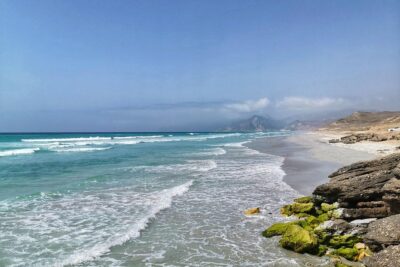
West Salalah, Al Mughsail Beach, White Beach, Frankincense Tree (Half day Tour)
Read our review →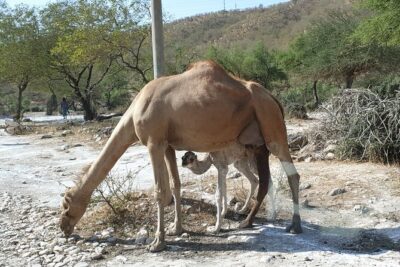
Full Day Guided Salalah a Combination of East and West tour
Read our review →
Explore West Salalah’s Stunning Natural Scenery – a Full-Day Tour
Read our review →

East and West Salalah Combination Private Full-day Tour
Read our review →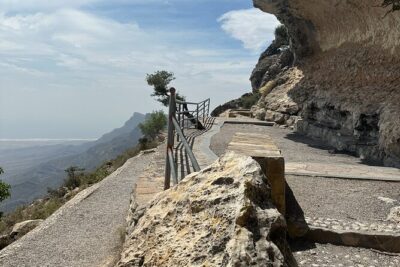
Private Full-Day East Oman Tour from Salalah with Lunch
Read our review →Browse the lists this tour appears in