
Reviewed · OMAN DAY TRIPS
Muscat: Day Tour with Omani Lunch, Hotel Pickup, and Airfare
Muscat rewards an early start. This private day trip gives you a lively introduction to Oman without asking you to arrange flights, border transport, meals, or a guide yourself. I especially like the unusual plan of flying one way to Muscat and returning to the UAE by road, plus the chance to eat Omani food at local restaurants rather than relying only on hotel dining.
I also like the privacy of a private vehicle, with pickup available across Dubai, Abu Dhabi, Sharjah, Ajman, Fujairah, Ras Al Khaimah, and Umm Al Quwain. The main drawback is the pace: 15 hours is a long day, and the itinerary covers Sohar and many Muscat sights in a single stretch. You will see a great deal, but you will not have much time for slow wandering.
In This Review
- The essential facts at a glance
- Why the air-and-road plan is useful
- Sohar begins the Omani story
- Qurum Beach brings a welcome pause
- Muttrah Corniche and the old fish market
- Muttrah Souk is the shopping heart of the day
- Bait Al Zubair explains Omani culture
- Forts, palace, and the old city
- Riyam Censer and the harbor viewpoints
- Haramil village offers a quieter Muscat
- The Royal Opera House and Grand Mosque
- A guide can make or break a 15-hour day
- What to know before you book
- Should you book this Muscat day trip?
- FAQ
- How long does the Muscat tour last?
- How many people can join the private group?
- Where can pickup be arranged?
- Which cities are available for drop-off?
- How do I travel to Muscat and return to the UAE?
- Are meals included?
- What should I bring?
- Is the tour wheelchair accessible?
- Can I cancel or pay later?
The essential facts at a glance
- One-way flight to Muscat: You fly to Oman and return to the UAE by road, giving you more time in Muscat than a road-only day trip may allow.
- Private group for up to two people: The listed price is $1,497 per group of two, not per person.
- Two Omani meals included: Lunch is in Muscat, and dinner is in Sohar.
- A wide Muscat route: The day includes Muttrah Souk, the corniche, forts, Al Alam Palace, the Royal Opera House, villages, beaches, and the Sultan Qaboos Grand Mosque.
- Guide quality matters here: Osama Al-Azri received particular praise for his German, courtesy, helpfulness, and command of the route. Sait was also praised as an accommodating guide.
- Bring your passport and beachwear: Both are specifically listed as required or useful items for the day.
Why the air-and-road plan is useful

The tour begins with pickup from your chosen UAE location, followed by a one-way air ticket to Muscat. The exact flight schedule and airport details are not provided, so you should confirm those before booking. Still, the format has a clear advantage: you avoid spending the entire outbound journey on the road.
The return to Dubai and other UAE drop-off points is by vehicle. That means you get a private road journey through Oman and back toward the UAE, with the guide handling the route. You can also return to Abu Dhabi, Ajman, Fujairah, Ras Al Khaimah, or Sharjah.
For a couple, the $1,497 group price is substantial. It makes more sense if you value privacy, airfare, a dedicated guide, hotel pickup, two meals, and the ability to cover many sights in one day. If you are comparing it with a simple group bus tour, this will look expensive. If you would otherwise arrange flights, private transport, meals, and several admissions separately, the package becomes easier to justify.
The cost is best viewed as the price of convenience and control, not merely a sightseeing ticket. You are paying for a very full day with fewer transport decisions to make yourself.
More trips with lunch included in Oman:
- Daymaniyat Island: Snorkelling Tour with Tasty Lunch
★ 4.8 · 403 reviews - Muscat: Daymaniyat Islands Snorkeling Trip with BBQ Lunch
★ 4.8 · 376 reviews - From Muscat: Nizwa and Jebel Akhdar Tour with Lunch
★ 4.8 · 319 reviews
Sohar begins the Omani story
The first major stop is the Sultan Qaboos Grand Mosque in Sohar. The planned visit is listed at about 15 minutes, so think of this as a short guided stop and photo opportunity rather than a long architectural study.
The mosque is noted for its turquoise and gold tile work. That color combination gives the building a distinctly Omani look and provides a strong first impression after arriving in the country. If you enjoy architectural details, ask your guide to point out the parts you can see during the brief visit.
The limited time is the main weakness here. A 15-minute stop allows you to look, photograph, and get a short explanation, but it does not leave much room for lingering. The tour is designed to introduce you to many places rather than give you a full visit at each one.
Dinner is included in Sohar later in the day. This helps break up the long return by road and gives the schedule a second chance to show you local food beyond the Muscat portion of the trip.
Qurum Beach brings a welcome pause
Qurum Beach is scheduled for about 30 minutes and combines a break, lunch, free time, sightseeing, and the possibility of swimming. You should bring beachwear if you want to use the water. The beach faces the Gulf of Oman, and the tour description highlights turquoise water and the nearby Qurum Beach and Nature Reserve.
I like this stop because it gives the day some breathing room. Muscat sightseeing can become a string of forts, museums, and viewpoints, so a short coastal pause helps reset your attention. The trouble is that 30 minutes is not much time for swimming, lunch, photos, and a proper beach break all at once.
Treat Qurum as a pleasant taste of the coast, not a beach day. If swimming is important to you, keep an eye on the schedule and ask how the time will be divided. The included Omani lunch is part of this stop, although the exact menu and restaurant are not specified.
Muttrah Corniche and the old fish market
Muttrah Corniche is one of the most visually rewarding parts of the route. You can walk beside the harbor and see the port, Omani dhow boats, watchtowers, Al Lawati Mosque, the fish market, and the Sultan’s superyacht.
This is where Muscat begins to feel like a working coastal city rather than a collection of monuments. The harbor views connect the modern capital with Oman’s seafaring past. Your guide can add context as you walk, which is useful because the scene includes several points of interest close together.
The Old Mutrah Fish Market follows as a dedicated visit. It is a practical stop, not a polished museum display, and that is precisely its value. You get a glimpse of local trade and daily life. The tour includes a guided visit, but no fixed time is given, so your experience will depend on the guide’s pacing and the day’s traffic.
More day trips in Oman:
- From Muscat: Wadi Shab & Bimmah Sinkhole Full-Day Tour
★ 4.8 · 1,862 reviews - Wadi Shab and Bimmah Sinkhole Group Full Day Tour
★ 5.0 · 303 reviews - Full-Day Private Wahiba Sands Desert and Wadi Bani Khalid Tour
★ 5.0 · 291 reviews - Nizwa Fort-Nizwa Souq-Misfah Al Arbyeen-Jebel Shams – Private Full Day Tour
★ 5.0 · 220 reviews
Muttrah Souk is the shopping heart of the day
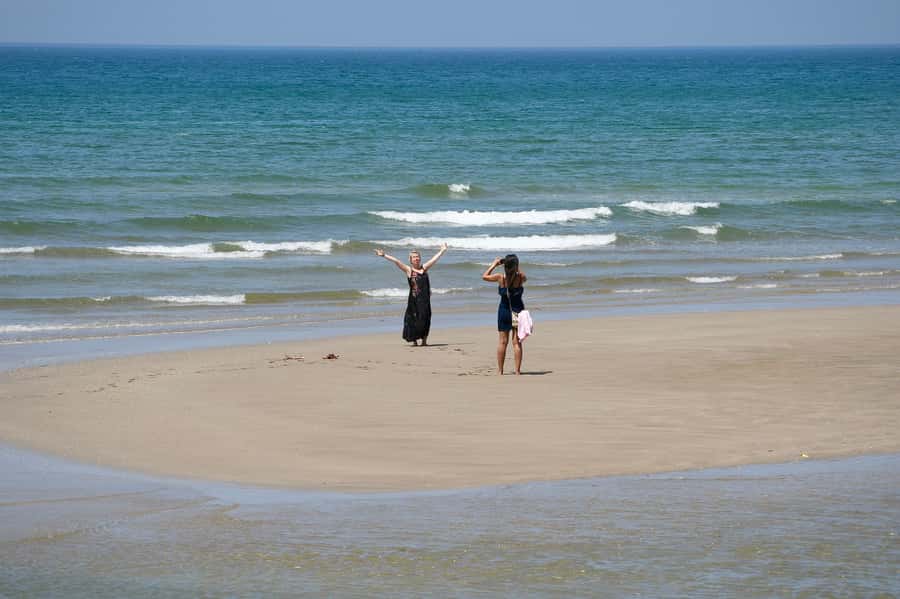
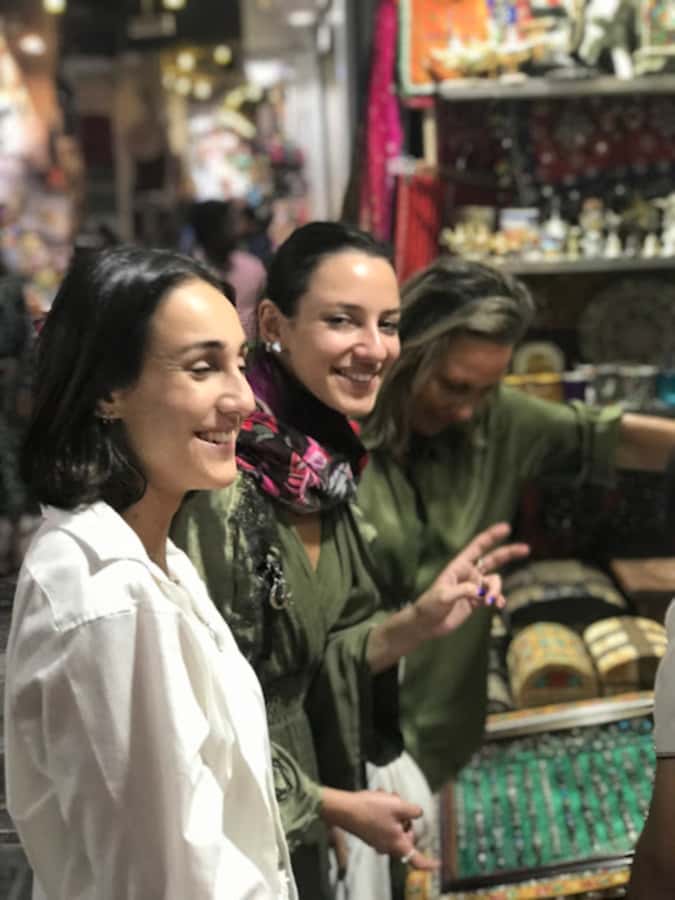
Muttrah Souk is described as one of the oldest traditional Arabian souks in the region. Its shops sell Omani hats called kuma, dishdasha robes, artifacts, antiques, frankincense, gold and silver jewelry, Omani halwa, and khanjar daggers.
You can shop, taste food, sample coffee, and look through arts and crafts. The souk also offers views back toward the corniche and harbor. I would save some energy for this stop because it is one of the few places where you can browse at your own speed rather than simply take a photo and move on.
A private guide can make shopping easier, especially if you want help understanding what you are seeing. Still, keep your purchases practical. The schedule is long, and you will be carrying anything you buy for the rest of the day and on the return drive.
The souk is also a good place to look for a small, useful reminder of Oman. Frankincense, halwa, traditional hats, and craft items are more connected to local culture than generic souvenir merchandise. Prices are not provided, so personal purchases remain your responsibility.
Bait Al Zubair explains Omani culture
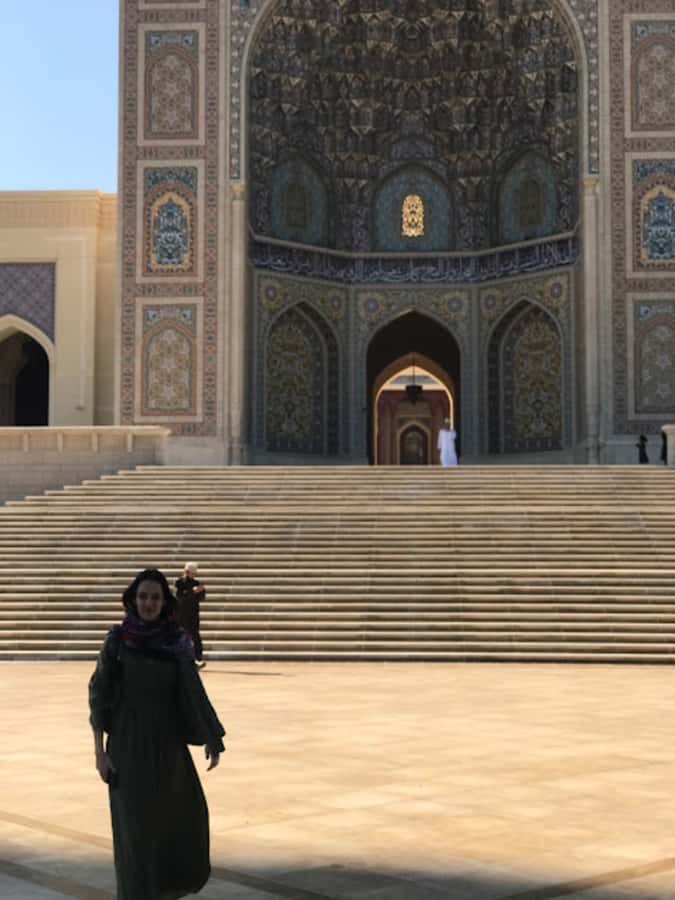
Bait Al Zubair Museum is included as a guided stop. The museum portrays Omani culture, making it a useful counterpoint to the outdoor sights at the souk, beaches, and forts.
A museum visit matters on a packed tour because it gives objects and traditions some context. A khanjar in a shop is one thing. Seeing how it fits into Omani dress and cultural life is another. The same applies to clothing, household objects, and crafts.
The exact admission arrangement and visit duration are not stated, although entry tickets are included wherever applicable. Ask your guide how much time is available inside, since the tour has several later stops and the day runs on a tight schedule.
Forts, palace, and the old city
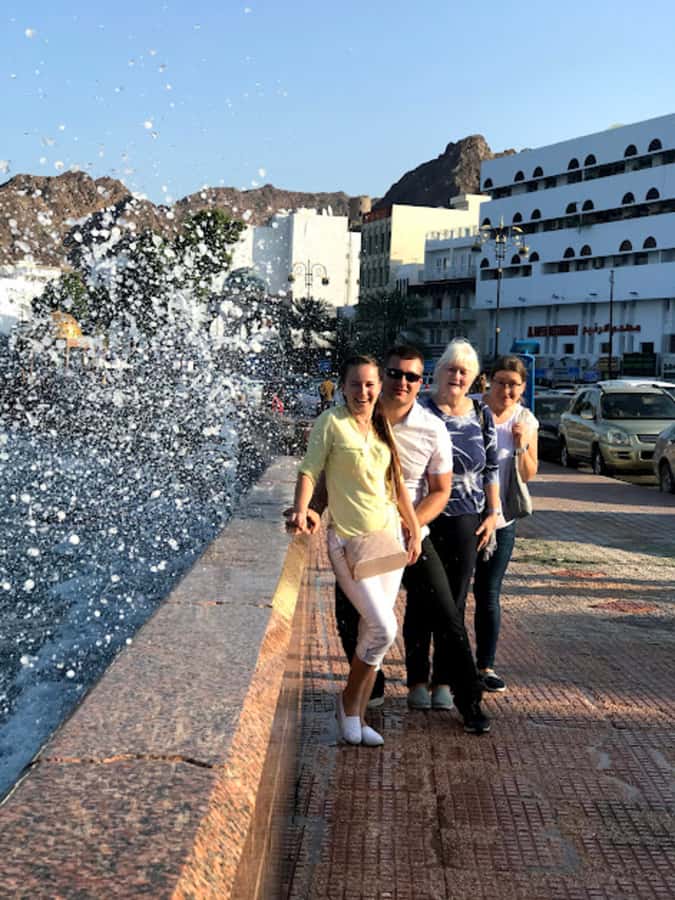
The route then turns toward Muscat’s historic core. Al Jalali Fort and Al Mirani Fort sit near the waterfront and date from the 16th century, when the Portuguese built them. Their position above the harbor explains their purpose at a glance: these were defensive strongholds guarding the entrance to the old city.
You mainly see the forts from outside, with photo stops, explanations, and scenic views. That is important to understand before booking. The itinerary does not promise a full interior visit to both forts.
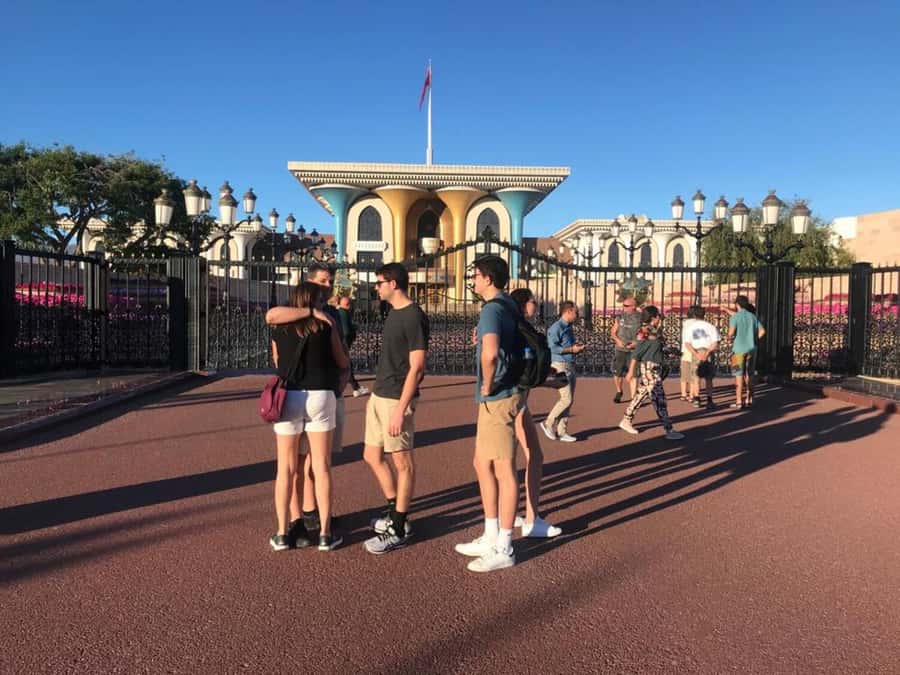
Al Alam Palace, also called the Flag Palace, is one of the Sultan’s important residences. A raised Omani flag at the entrance indicates the Sultan’s presence. The palace itself is a photo stop and guided visit, not a promise of access inside the residence.
The combination of palace and forts makes this section especially worthwhile. You see the ceremonial face of modern Oman beside the military architecture of its past. The stops are close enough in theme to create a clear story, even though each visit is brief.
Muttrah Fort adds another viewpoint, with a listed aerial view and scenic drive. Again, the schedule emphasizes views and guided sightseeing. You should not assume that every fort on the route is open for an interior tour.
Riyam Censer and the harbor viewpoints
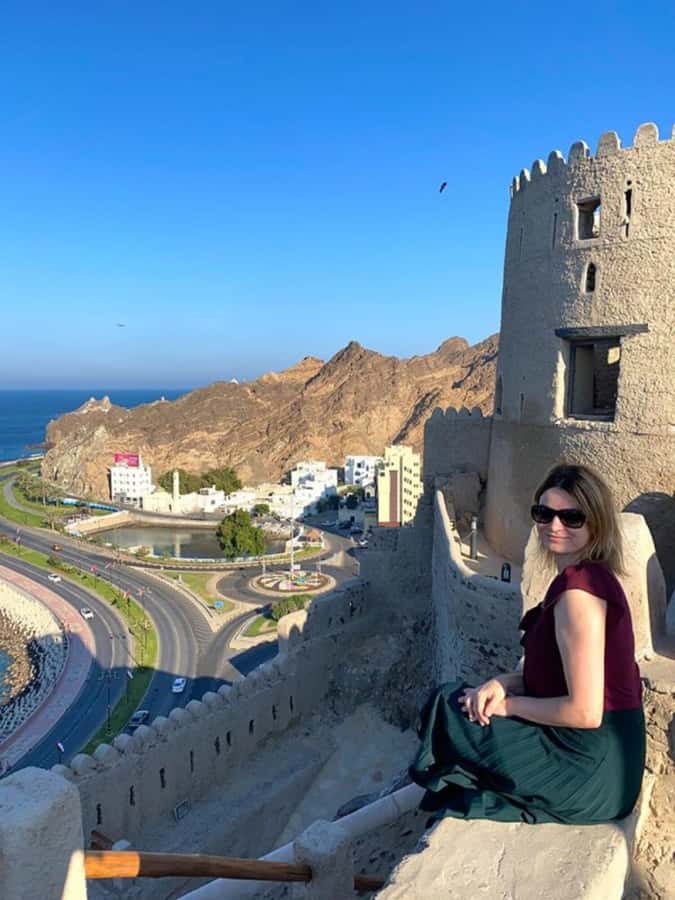
The Riyam Censer, also called the Riyam Memorial, is a large frankincense burner monument on a hill at Riyam Park. It was built in 1990 to mark Oman’s 20th National Day.
This is a short scenic stop, but it carries a useful cultural link. Frankincense has long been associated with Oman, and the monument turns that association into a very visible city landmark. From the surrounding area, you can also appreciate the harbor and the shape of Muscat’s coastal setting.
The Old Lighthouse, Muttrah Bay, and Muscat Bay are included among the scenic points along the route. These may be viewed during drives or photo stops rather than as separate long visits. That is another reason to keep your camera ready and listen for the guide’s timing.
Haramil village offers a quieter Muscat
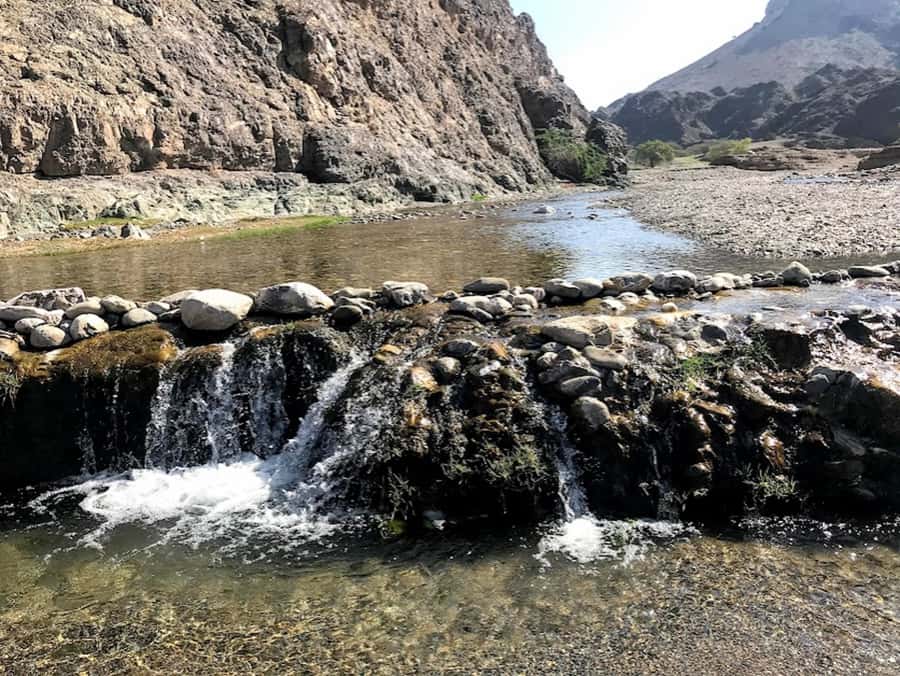
Haramil, also called Sidab in the supplied description, is presented as a sleepy Omani fishing village. It is a useful change of pace after the monuments and shopping streets.
The point here is not a major attraction. It is the chance to see a smaller coastal community and get a sense of local life. The description also notes fresh fish sales and local conversation, which gives the stop a more everyday feel than the palace and forts.
The itinerary lists a photo stop, visit, guided tour, and scenic drive. Do not expect a long village walk or a structured cultural performance. Its appeal is the simple contrast between Muscat’s official sights and a working fishing settlement.
The Royal Opera House and Grand Mosque
The Royal Opera House Muscat is Oman’s main venue for musical arts and culture. The tour includes a photo stop, visit, guided tour, and walk. The exact access inside is not specified, so confirm what areas are open on your date.
This stop adds a modern cultural note to a day otherwise centered on old markets, forts, villages, and palaces. Even a short visit helps show that Muscat is not only about heritage buildings.
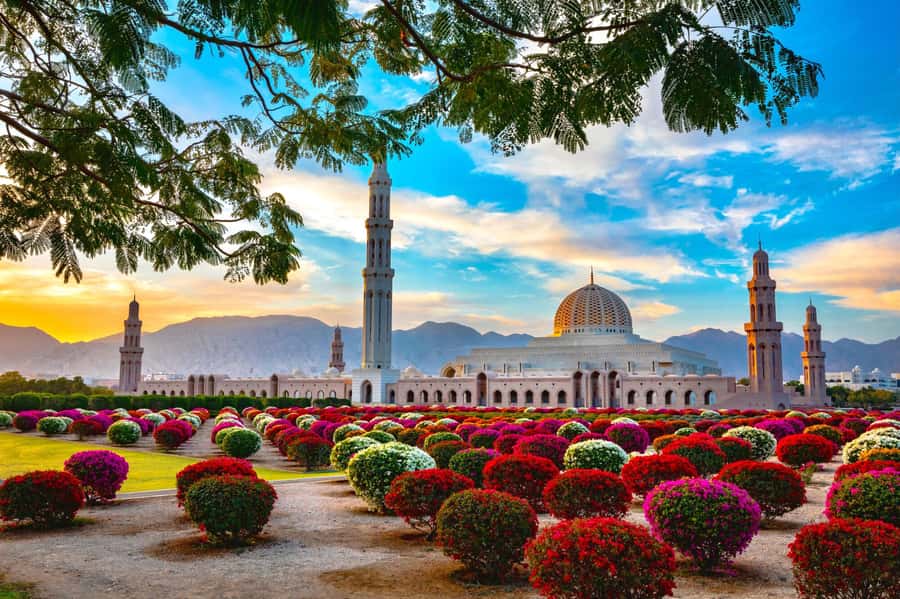
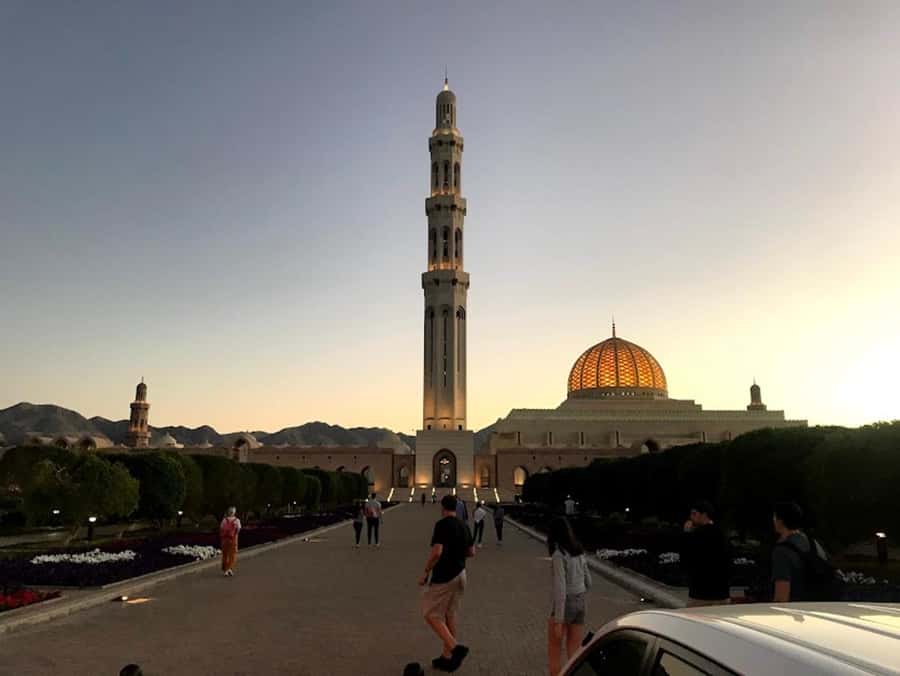
The final major sight is the Sultan Qaboos Grand Mosque in Muscat. It is described as one of the largest mosques in the world, with room for more than 20,000 worshippers. Sandstone, crystals, and a hand-woven Persian carpet are among the features highlighted.
The mosque is likely to be one of the day’s strongest visual stops. Plan to follow your guide’s instructions closely, since religious sites can have specific visiting arrangements. The tour data confirms a guided visit and walk, but it does not provide opening hours or a dress code. Your passport remains essential for the international journey, and you should confirm current mosque access details before departure.
A guide can make or break a 15-hour day
With this many stops, the guide is not just someone who points at buildings. You need clear timing, sensible route planning, and useful explanations without long delays.
Osama Al-Azri received especially strong praise for knowing Muscat and the full route extremely well. His German was described as excellent, and he was praised for being well presented, polite, and helpful. If you need German guiding, request confirmation that Osama is available, since guide assignment is not guaranteed by the general tour description.
Sait was also praised as an excellent and accommodating guide. The activity lists a wide range of possible guide languages, from English and German to Hindi, Japanese, Korean, Spanish, Thai, and many others. Confirm your preferred language before you commit, particularly because the list includes many options but does not promise every language on every departure.
The private format is a real advantage. You can ask for more time at the souk, a quicker photo stop, or extra explanation at a place that interests you, although the number of scheduled sights limits how much the route can change.
What to know before you book
This is a demanding day. Pickup can take place in several UAE cities, and the road return adds more time after a full schedule in Oman. Wear comfortable clothes and shoes, bring your passport, and pack beachwear if you want to swim at Qurum Beach.
The activity is wheelchair accessible, and pickup can be arranged from hotels or other locations in Dubai, Abu Dhabi, Fujairah, Ras Al Khaimah, Sharjah, Ajman, and Umm Al Quwain. You should still confirm the vehicle setup and access arrangements for your particular pickup point.
Personal expenses are not included. That means souvenirs, extra food or drinks, and other purchases are yours to cover. Entry tickets are included wherever applicable, while the exact list of paid attractions is not specified.
The tour permits free cancellation up to 24 hours before the start time, and you can reserve now and pay later. Those terms offer useful flexibility, but they do not remove the need to confirm passport and flight details in advance.
Should you book this Muscat day trip?
Book it if you want to see a large portion of Muscat without arranging the flight, border transport, private car, guide, and meals yourself. It suits couples and small private groups who value comfort, a dedicated guide, and a broad first look at Oman.
I would choose it for a first visit when time is limited. The strongest elements are the air-and-road arrangement, the private vehicle, the Omani meals, the Muttrah section, the forts and palace, and the chance to see both major landmarks and a fishing village.
I would hesitate if you prefer slow museum visits, long beach time, or a relaxed schedule. Fifteen hours and this many stops will feel intense. At $1,497 for up to two people, it is not a budget excursion, but it can offer fair value when you place a high price on privacy and having the whole day organized.
FAQ
How long does the Muscat tour last?
The tour lasts 15 hours.
How many people can join the private group?
The price covers a private group of up to two people.
Where can pickup be arranged?
Pickup can be arranged from hotels or other locations in Dubai, Abu Dhabi, Fujairah, Ras Al Khaimah, Sharjah, Ajman, and Umm Al Quwain.
Which cities are available for drop-off?
Drop-off is available in Dubai, Ras Al Khaimah, Abu Dhabi, Ajman, Fujairah, and Sharjah.
How do I travel to Muscat and return to the UAE?
The package includes a one-way air ticket to Muscat and a return journey to Dubai or another listed UAE drop-off location by road.
Are meals included?
Yes. The tour includes a traditional Omani lunch in Muscat and a traditional Omani dinner in Sohar.
What should I bring?
Bring your passport and beachwear. Beachwear is useful if you want to swim at Qurum Beach.
Is the tour wheelchair accessible?
Yes, the activity is listed as wheelchair accessible.
Can I cancel or pay later?
You can cancel up to 24 hours in advance for a full refund. The booking also allows you to reserve now and pay later.
Newest Oman trips added here
- Wahiba Desert Safari Adventure , Swimm in Wadi Bani Khalid★ 4.5 · 2 reviews
- Wadi Shab &Bimmah Sinkhole &Heart shaped Cave &Pebble Beach★ 5.0 · 5 reviews
- Wadi Shab & Wadi Tiwi : Guided Adventure (Customer Own Car)★ 5.0 · 6 reviews
- Wahiba Sands and Wadi Bani Khalid Full-Day Tour from Muscat★ 4.6 · 3 reviews
- wadi shab and bimmah sinkhole tour from muscat★ 5.0 · 2 reviews
- Wadi Shab, Desert safari and The historical city of Nizwa★ 5.0 · 2 reviews
- West of Salalah private tour – fascinating mountains and beaches★ 5.0 · 9 reviews
- Try scuba Diving Tours To Daymaniyat Islands.★ 5.0 · 12 reviews
Oman Day Trips, compared.
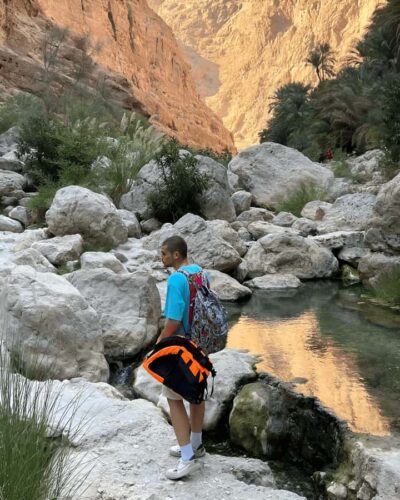
Wadi Shab and Bimmah Sinkhole Group Full Day Tour
Read our review →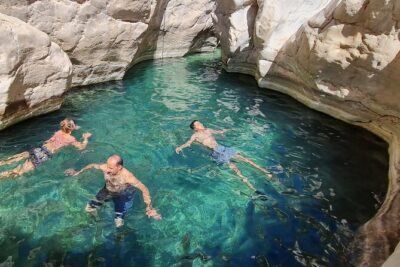
Full-Day Private Wahiba Sands Desert and Wadi Bani Khalid Tour
Read our review →
Nizwa Fort-Nizwa Souq-Misfah Al Arbyeen-Jebel Shams – Private Full Day Tour
Read our review →
Nizwa Heritage & Culture Full Day Tour with Audio Guiding
Read our review →
Dolphin Watching Day Tour with Snorkeling & Lunch
Read our review →Browse the lists this tour appears in