
Reviewed · CITY TOURS IN MUSCAT
Muscat life and local culture city tour
Muscat rewards curiosity. This four-hour private tour gives you a flexible way to see Oman’s capital, with a choice between historic eastern Muscat and the everyday communities west of the city. I like the chance to begin anywhere in Muscat, and I like that the experience includes Omani snacks and drinks, not just a checklist of monuments.
The main concern is reliability. Some bookings have reportedly suffered from missed pickups or poor communication, while one guide had limited English and ended a tour early. You should also know that Royal Opera House admission is extra, and the exact route depends heavily on the guide and the choices made during the tour.
In This Review
- Key points to know before booking
- A private introduction to Muscat at $81
- Choosing between Muscat’s east and west
- Grand Mosque: a strong opening stop
- Muttrah Heritage Market and the Corniche
- Al-Alam Palace and Muscat’s royal center
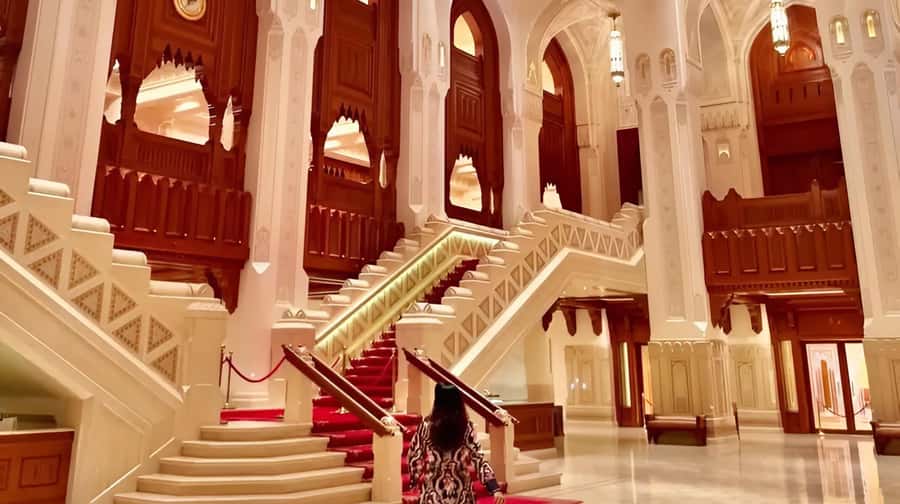
- The Royal Opera House, with tickets separate
- Karak tea and a simple Omani snack
- Al-Khoud village and the western route
- Seeb Market and Al-Seeb Beach
- What the guide can make or break
- Pickup, timing, and the risk of a short day
- Cancellation and booking flexibility
- Who should choose this Muscat tour?
- Should you book Muscat Life and Local Culture City Tour?
- FAQ
- How long does the Muscat life and local culture tour last?
- Where can I be picked up?
- Is this a private tour?
- Which languages does the guide speak?
- Are snacks and drinks included?
- Are Royal Opera House tickets included?
Key points to know before booking
- Two very different routes: Choose historic Muscat in the east, or village, market, beach, and daily-life stops in the west.
- Private four-hour format: You travel with your own group, with a live guide speaking Arabic and English.
- Pickup anywhere in Muscat: The starting point is arranged with the visitor, rather than fixed at one central meeting place.
- Omani snack stop included: Karak tea, Omani bread, cheese, and Omani chips are part of the planned refreshment break.
- Royal Opera House costs extra: It may be included as a visit on the eastern route, but entry tickets are not covered.
- Communication needs attention: Confirm the pickup, route, language ability, and included stops before the day of the tour.
A private introduction to Muscat at $81
At $81 per person, this is not the cheapest way to see Muscat. The price makes more sense if you value private transportation, a flexible starting point, and the chance to shape the route around your interests.
A standard group sightseeing trip may offer a more fixed schedule and lower cost. Here, you are paying for personal attention and the ability to choose between two parts of the city. That can be useful if you have only a short time in Muscat, are staying outside the usual tourist center, or want a guide to explain daily Omani life rather than simply point out buildings.
The value depends on execution. A four-hour private tour can cover a lot of ground, but it can also feel rushed if too many stops are packed into the schedule. I would treat the published routes as a menu of possibilities, not a promise that every named location will receive a full visit.
Before booking, send a clear message asking which route you want, what stops will be included, and whether the guide can comfortably discuss them in English. Also reconfirm the pickup time and location. That small step matters here.
More City Tours in Muscat
- Muscat: Budget Friendly City Tour
★ 4.8 · 321 reviews - Half-Day Private Muscat City Tour – Top Landmarks in Just 4 Hours
★ 5.0 · 256 reviews - Oman: Private Muscat City Tour With Pick-up/ Drop-off
★ 4.4 · 234 reviews
Choosing between Muscat’s east and west
The eastern route is the classic first look at Muscat. It links major sights, old neighborhoods, the waterfront, and a refreshment stop. If you want the city’s best-known landmarks in one outing, this is probably the route to request.
The western route is less focused on grand monuments. It moves toward Al-Khoud village, Seeb, local markets, a mosque, and Al-Seeb Beach. I would choose it if your main interest is how people live, shop, move around, and spend time away from the postcard sights.
The two routes offer different kinds of understanding. The east explains Muscat through royal buildings, religious architecture, trade, and the waterfront. The west gives you a closer look at community life and the relationship between older villages and newer city development.
Because the tour is private, you can tell the guide which side matters more to you. If this is your first visit and you do not know Muscat well, the eastern route is the safer choice for famous sights. If you have already seen the Grand Mosque and Muttrah, the western route may give you something fresher.
Grand Mosque: a strong opening stop
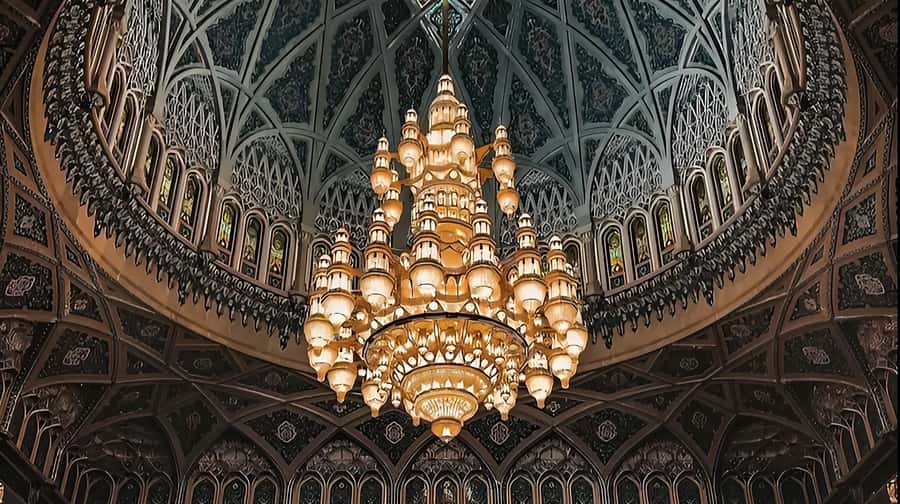
The Sultan Qaboos Grand Mosque is one of Muscat’s major landmarks and a natural anchor for the eastern route. Its scale and design make it an important stop even if you are more interested in culture than architecture.
The value of visiting with a guide is the chance to connect the building to Oman’s religious and national identity. The tour description does not specify visiting hours, interior access, or dress guidance, so confirm those details before you go. Religious sites often have specific visiting rules, and a four-hour schedule leaves little room for a wasted journey.
If the mosque is a priority, make that clear when arranging the tour. Do not assume that every listed stop receives the same amount of time. A private itinerary gives you a better chance of protecting time for the places you care about most.
Muttrah Heritage Market and the Corniche
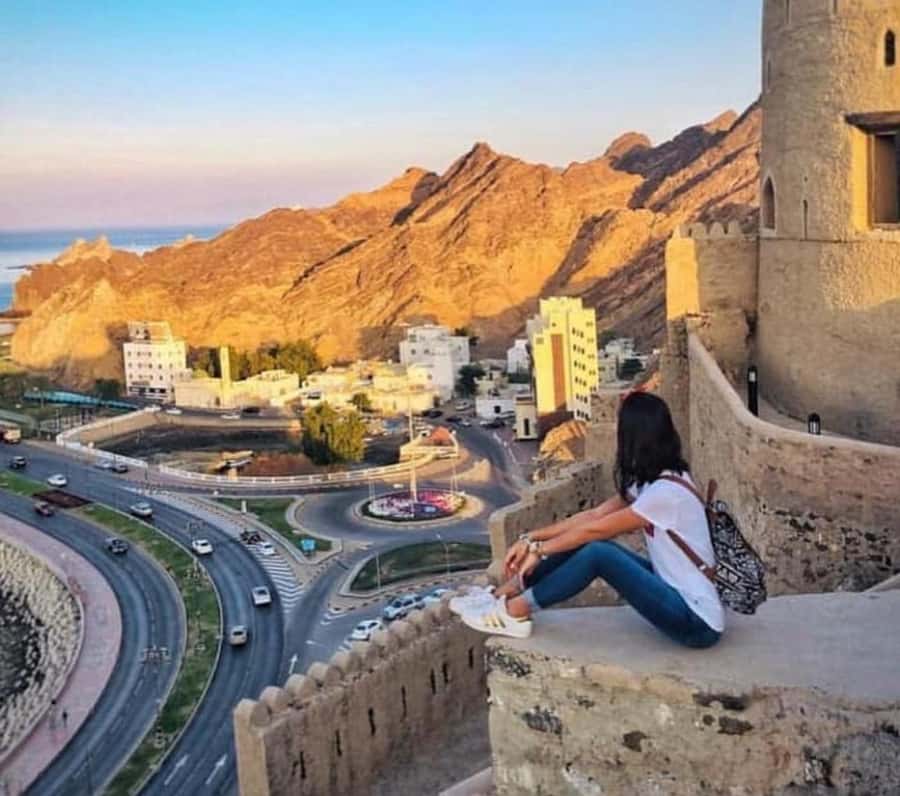
Muttrah Heritage Market brings you into one of the city’s best-known shopping areas. A market visit is useful because it shows how Omani identity is presented through goods, scents, traditional items, and everyday commerce.
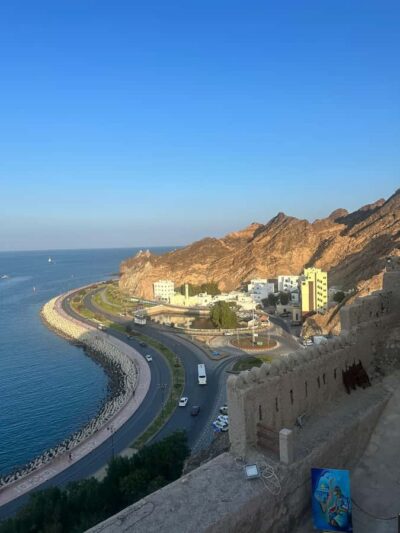
You will also have the Muttrah Corniche, where the city meets the water. The combination works well: the market gives you close-up detail, while the Corniche offers room to look across the harbor and understand Muscat’s coastal setting.
Do not expect a long shopping session if the tour also includes the mosque, palace, opera house, and food stop. Ask whether you will have time to browse or only make a short walk through the market. If you want to buy something, tell the guide early so the schedule does not leave you with only a quick glance.
The Corniche is also a good place to ask questions about Muscat’s role as a port city. The guide’s ability to explain local life is important here. The strongest part of this experience should be the conversation between stops, not just the vehicle ride from one attraction to another.
A different way to spend the day out of Muscat:
- Muscat: Daymaniat Islands Snorkeling Trip with Brunch
★ 4.7 · 2,317 reviews - From Muscat: Wadi Shab & Bimmah Sinkhole Full-Day Tour
★ 4.8 · 1,862 reviews - Muscat: Wahiba Desert and Wadi Bani Khalid Guided Group Tour
★ 4.8 · 820 reviews - Muscat: Half-Day Sightseeing Essentials Tour and Audio Guide
★ 4.2 · 598 reviews
Al-Alam Palace and Muscat’s royal center
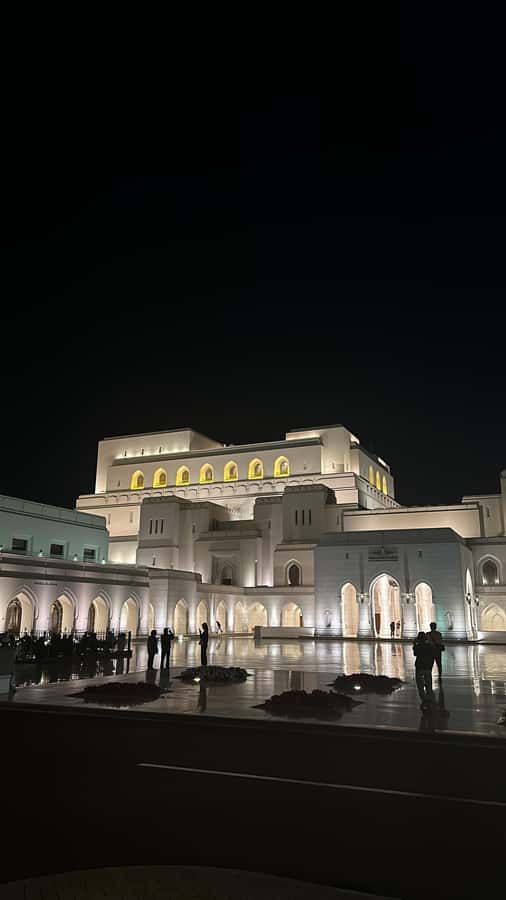
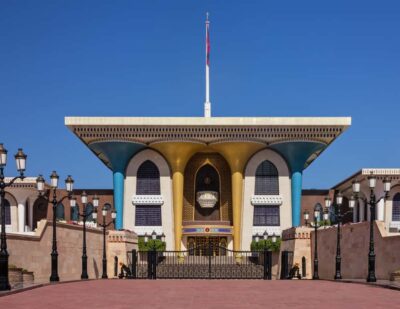
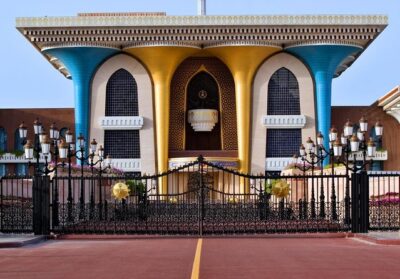
Al-Alam Palace gives the route a formal, ceremonial stop. The palace is associated with Oman’s modern royal center and is best appreciated from outside, where you can take in its colorful facade and the surrounding government buildings.
This is a photo stop rather than a palace tour. The available information does not promise entry, so you should not plan on walking through the interior. Its value comes from the setting and from a guide who can explain why this part of Muscat matters.
A short stop here works well alongside Muttrah and the Grand Mosque. The drawback is time. If the guide spends too long driving or adds unplanned stops, the palace may become one more quick photo rather than part of a clear story about Muscat.
The Royal Opera House, with tickets separate
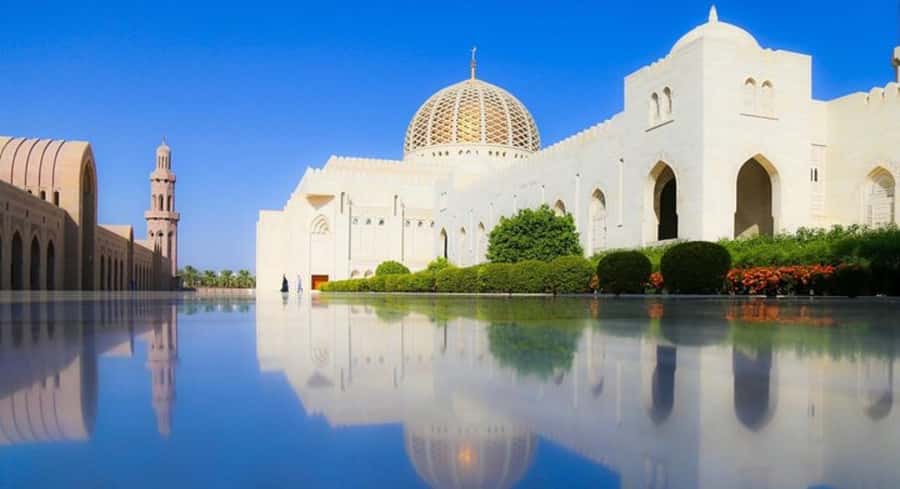
The Royal Opera House is included as a possible stop on the eastern route, but admission is not included in the $81 price. That distinction is important. You may see the building from outside without paying more, while an interior visit or formal tour could require a separate ticket.
The opera house adds a modern cultural note to a route otherwise centered on mosques, markets, palaces, and the old waterfront. It helps show that Muscat is not only a city of historic buildings. It also has contemporary arts institutions and formal performance spaces.
Ask exactly what the guide means by visiting the Royal Opera House. Is it an exterior stop, or will you have time to enter if you buy a ticket? The answer can affect your schedule and your budget.
Karak tea and a simple Omani snack
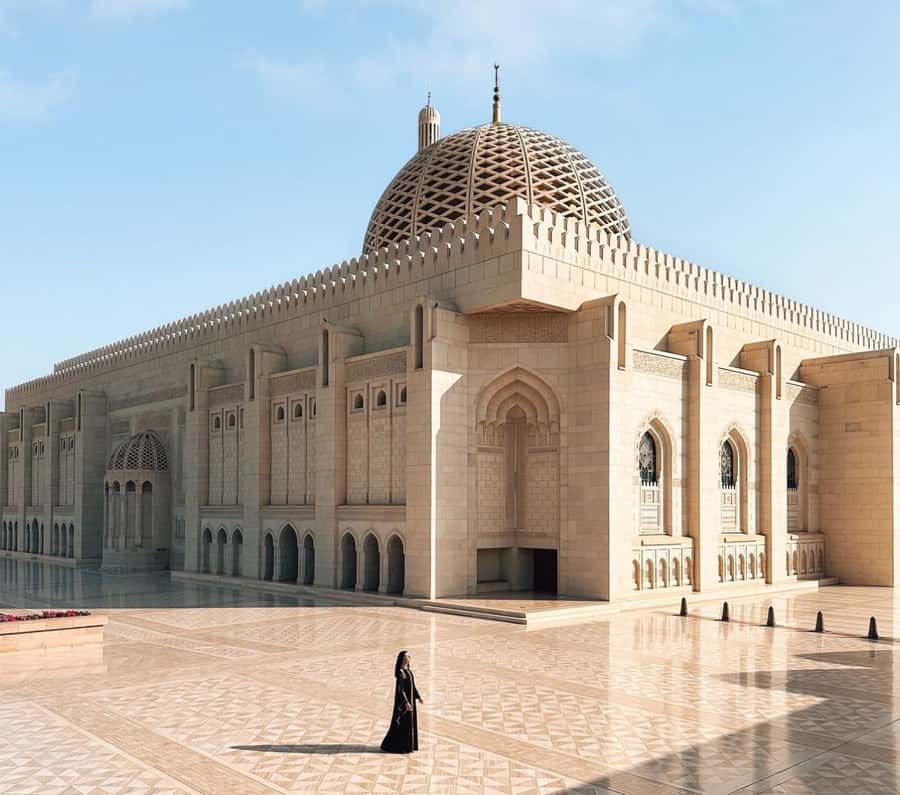
The included food stop is one of the most appealing parts of the experience. You are offered karak tea with milk and sugar, Omani bread, cheese, and Omani chips at a cafe.
This is a modest meal, not a full restaurant feast, but that is part of its usefulness. Karak tea is sweet and milky, while the bread and savory additions give you a taste of an ordinary local snack break. Food creates an easy opening for questions about habits, family life, and the social side of Oman.
I would not book this tour expecting a serious food tour. The snack stop is one small part of a city outing. Still, it adds a human touch that many sightseeing tours miss.
The inclusion also gives the $81 price a little more value, since transportation, snacks, drinks, and a private guide are covered. Confirm that the snack stop is included on your chosen route. One past experience reportedly missed the advertised Omani food, so it is sensible to clarify this in advance.
Al-Khoud village and the western route
Al-Khoud village shifts the focus away from Muscat’s formal landmarks. The point is to see an older Omani community alongside the wider city and to discuss how local society has changed.
This route may appeal to you if you want more than the usual capital-city photographs. A village setting can make the guide’s explanation of family structures, customs, neighborhoods, and daily routines more concrete. The information provided does not specify exactly which parts of Al-Khoud you will visit, so think of this as a guided look at the area rather than a fixed attraction with a set entrance.
The route also includes city-life observations. That may sound broad, but it can be valuable when handled well. You might learn more from a thoughtful explanation of ordinary streets and local routines than from another quick monument stop.
The risk is that broad descriptions can turn into aimless driving. Ask the guide to identify the specific village areas and city locations planned for your four hours.
Seeb Market and Al-Seeb Beach
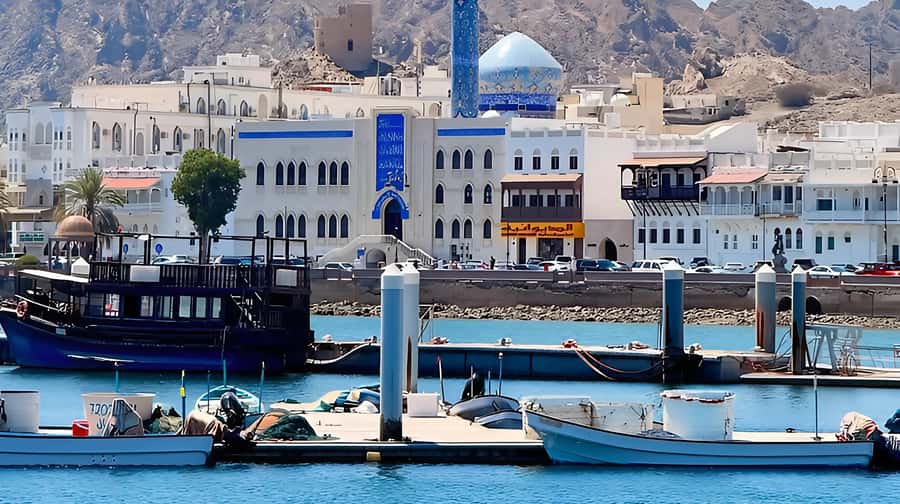
Seeb Market offers another look at local shopping and community life. Compared with the heritage focus of Muttrah, Seeb can give you a different sense of the western side of the capital.
The stop is especially useful if you want to compare an old commercial area with a more local market setting. The exact market experience is not detailed, so I would keep expectations practical. You may have time to walk, look around, and ask questions, but there is no stated promise of a shopping allowance or special market activity.
Al-Seeb Beach gives the western route a change of pace. The beach is a place to see the coast and pause after the village and market stops. It is not described as a swimming excursion, so do not plan the tour around water activities.
The western route also includes a mosque and the same Omani snack stop. That combination makes the route feel like a social and cultural introduction rather than a monument tour. It may suit repeat visitors better than the eastern route, especially if you want to see a less formal side of Muscat.
What the guide can make or break
This experience depends more than usual on the person leading it. One confirmed booking described the guide as professional, helpful, and accommodating. Another described a very friendly and helpful guide. Those qualities matter because the route is flexible and includes places whose value depends on explanation.
Arabic and English are listed as the tour languages. However, one reported experience involved a guide who could speak only limited prepared English, could not answer questions, and left out several planned elements. That is a serious issue for a tour built around local culture.
I recommend asking two direct questions before the tour:
- Will the guide be comfortable answering questions in English?
- Can the guide confirm the eastern or western route and its planned stops?
If you want social context, do not settle for a guide who can only recite short descriptions. The best version of this tour should help you understand what you are seeing, not simply transport you between locations.
Pickup, timing, and the risk of a short day
Pickup and return are both in Muscat, and the starting point can be arranged according to your location. That is convenient, especially if you are staying outside a fixed tourist meeting area.
The same flexibility creates room for confusion. At least two reported bookings involved no pickup and no successful contact with the operator. Since the tour is private, a missed pickup affects your entire outing rather than just making you late to a group departure.
Reconfirm the day before and again on the morning of the tour if possible. Keep the meeting point precise, and make sure you know the vehicle or guide contact details. Also allow some flexibility in your day, since a four-hour tour may not use the full time if the schedule is poorly managed.
The stated duration is four hours. That is enough for an overview, but not enough for lengthy visits at every eastern stop plus a meal break. If you want the Grand Mosque, market, Corniche, palace, opera house, and snack stop, ask how the time will be divided.
Cancellation and booking flexibility
You can cancel up to 24 hours in advance for a full refund. The reserve-now-and-pay-later option also lets you hold a place without paying immediately, which is useful when your Muscat schedule may change.
Those policies are helpful, but they do not replace careful confirmation. Contact the provider before the cancellation deadline if you have any doubt about the pickup or route. Save the agreed details so you have a clear record of what was arranged.
Who should choose this Muscat tour?
I would consider this experience if you:
- Have four hours and want a private introduction to Muscat.
- Prefer choosing your starting point and route.
- Want transportation between several parts of the city.
- Care about local food and social context as well as famous sights.
- Are willing to confirm the plan in advance.
- Can be flexible if the exact schedule changes.
I would be more cautious if you need guaranteed access to every named attraction, require a polished English-language lecture, or want a tightly timed sightseeing program. The mixed outcomes make advance communication especially important.
Solo visitors and couples may find the private format comfortable, while families or small groups may get better value from the per-person price. The tour is also useful for someone with a long layover or a short Muscat stay, provided the pickup time is dependable.
Should you book Muscat Life and Local Culture City Tour?
I would book it with conditions. The private format, flexible pickup, and Omani snack stop offer real value at $81, and the two route choices let you match the outing to your interests. The eastern path is best for first-time sightseeing, while the western path offers a closer look at village and market life.
But I would not book blindly. Confirm the guide’s English, your chosen route, the snack stop, the Royal Opera House plan, and the exact pickup details. If those answers are clear, this could be a useful and personal first look at Muscat. If the operator cannot confirm them, choose a more structured tour.
FAQ
How long does the Muscat life and local culture tour last?
The tour lasts four hours, with pickup and return in Muscat.
Where can I be picked up?
The meeting point is arranged according to your location, and pickup can be anywhere in Muscat.
Is this a private tour?
Yes. The experience is offered for a private group.
Which languages does the guide speak?
The listed tour languages are Arabic and English.
Are snacks and drinks included?
Yes. The planned snack includes karak tea with milk and sugar, Omani bread, cheese, and Omani chips.
Are Royal Opera House tickets included?
No. Royal Opera House tickets are not included in the tour price.
Newest Muscat trips added here
- Wahiba Desert Safari Adventure , Swimm in Wadi Bani Khalid★ 4.5 · 2 reviews
- Wadi Shab &Bimmah Sinkhole &Heart shaped Cave &Pebble Beach★ 5.0 · 5 reviews
- wadi shab and bimmah sinkhole tour from muscat★ 5.0 · 2 reviews
- Try scuba Diving Tours To Daymaniyat Islands.★ 5.0 · 12 reviews
- Private 2-Day Guided Tour with Nizwa Friday Market Visit★ 5.0 · 2 reviews
- Private scuba diving trips Muscat★ 4.5 · 2 reviews
- From Muscat Wadi Shab and Bimmah Sinkhole Tour★ 5.0 · 6 reviews
- Wahiba Sands&Wadi Bani Khalid desert Safari(Muscat tours)★ 4.5 · 6 reviews
City Tours in Muscat, compared.
Half-Day Private Muscat City Tour – Top Landmarks in Just 4 Hours
Read our review →
Private Muscat City Tour With Pick-up/ Drop-off
Read our review →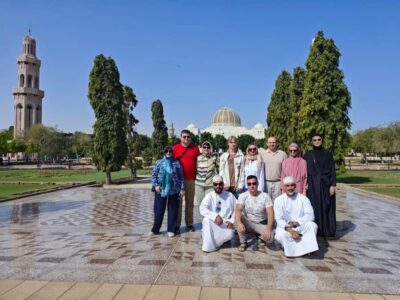

4 hours private Tour of Muscat City with Pick-up
Read our review →
Half-Day Private Muscat City Tour- with a local guide
Read our review →Browse the lists this tour appears in