
Reviewed · FORTS & HERITAGE TOURS IN MUSCAT
Muscat: Muttrah Fort Entry Ticket
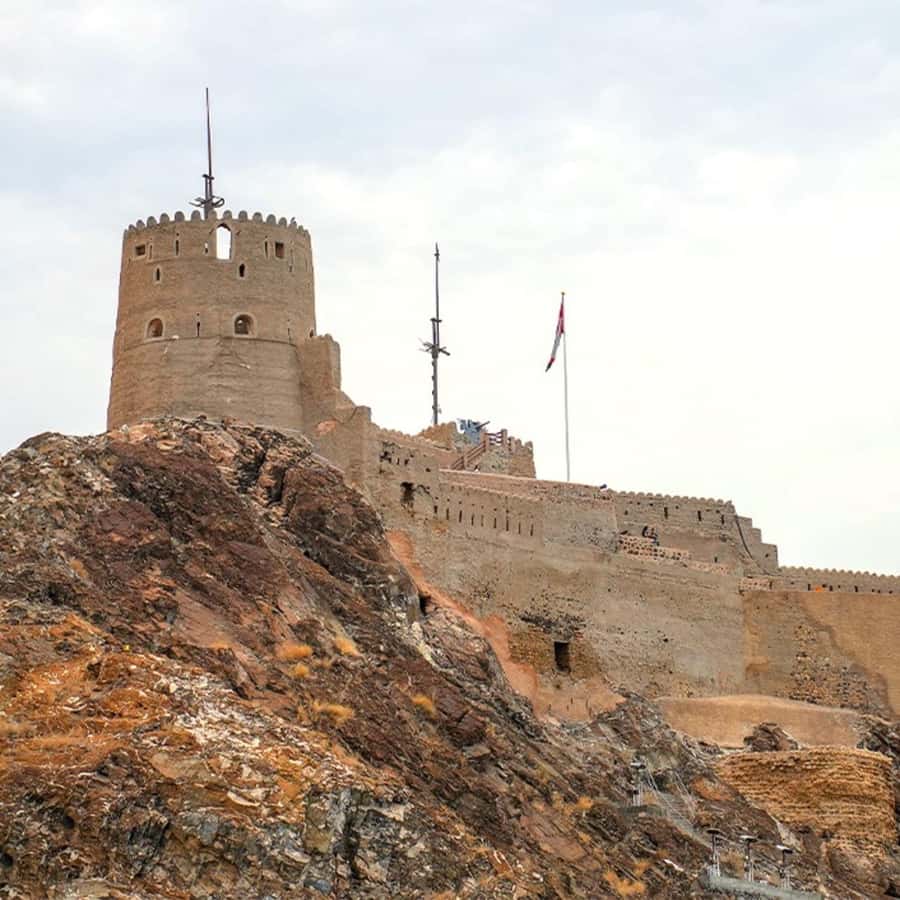
The view is the real reward. Muttrah Fort gives you a compact history stop with traditional Omani military design, old gun platforms, and broad views over the port and sea. I like the way the fort combines a small museum with open-air exploring, so you get both context and scenery without committing a full day to a major attraction.
I also like the simple $8 price and the flexibility of a ticket valid for one day. The main drawback is the climb. The fort sits on a hill, and the site is not suitable for wheelchair users or people with mobility impairments.
The fort works especially well in a Muscat sightseeing plan that includes Muttrah. One useful tip is to visit early or late in the afternoon, when the heat is less harsh. Online booking may also help you avoid a ticket-office queue, which could matter if you are trying to reach the fort before sunset.
In This Review
- Key points to know before you go
- Why Muttrah Fort matters in Muscat
- Reaching the fort means taking the hill seriously
- Exploring the traditional Omani military design
- The central courtyard and rooms give the visit shape
- The small museum adds needed context
- The views over Muttrah and the coast
- Is the $8 ticket good value?
- Who will enjoy Muttrah Fort most?
- What to bring and how to plan the visit
- Should you book the Muttrah Fort ticket?
- FAQ
- Where is Muttrah Fort located?
- How much does entry to Muttrah Fort cost?
- How long is the ticket valid?
- Is the ticket refundable?
- Can I reserve the ticket and pay later?
- Is Muttrah Fort suitable for wheelchair users?
- Is there a climb to reach the fort?
- What should I bring?
- Is photography allowed inside the fort?
- Are pets and smoking allowed?
Key points to know before you go
- Portuguese-era origins: The fort dates from the 16th century and was first built by the Portuguese as part of their defense system in Oman.
- Short but worthwhile museum: A small museum introduces the fort and the past of the surrounding region.
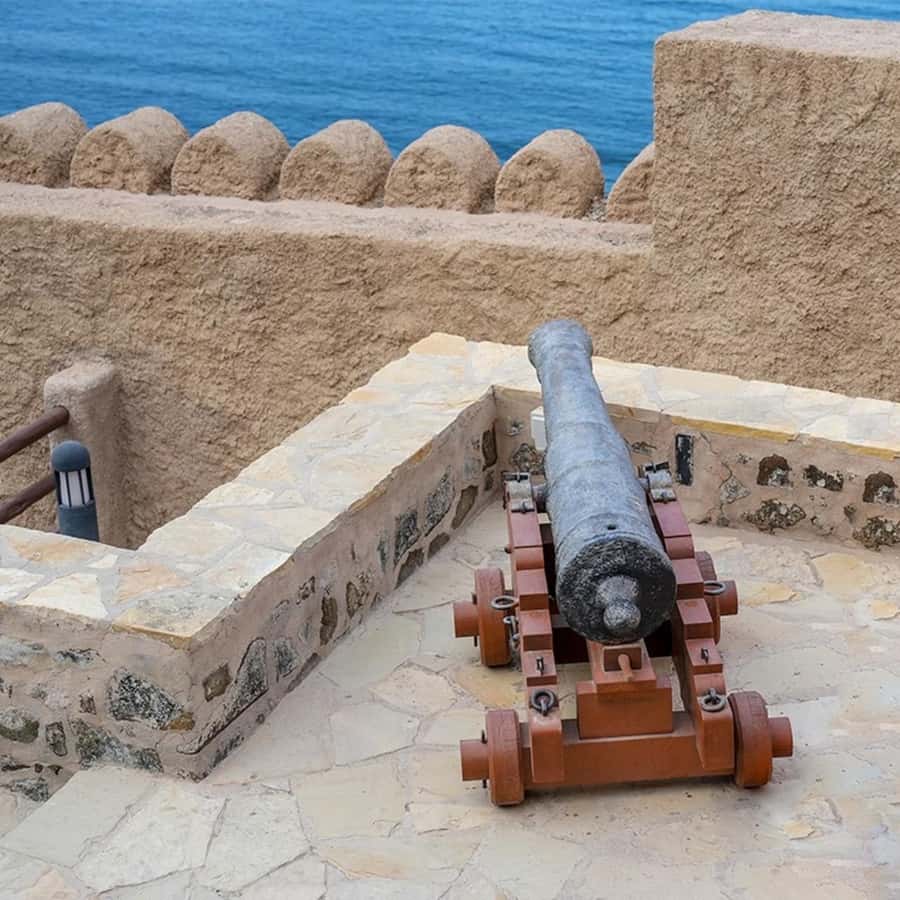
- Hilltop views: You can look over Muttrah, the port, coastline, and sea from several levels of the fort.
- A real uphill approach: Comfortable shoes, water, a hat, and sunscreen are sensible choices.
- Flexible one-day ticket: The entrance is valid for one day, with availability and starting times checked during booking.
- Best in cooler light: Morning or late afternoon makes the climb and outdoor sections more pleasant, with sunset offering especially appealing views.
Why Muttrah Fort matters in Muscat
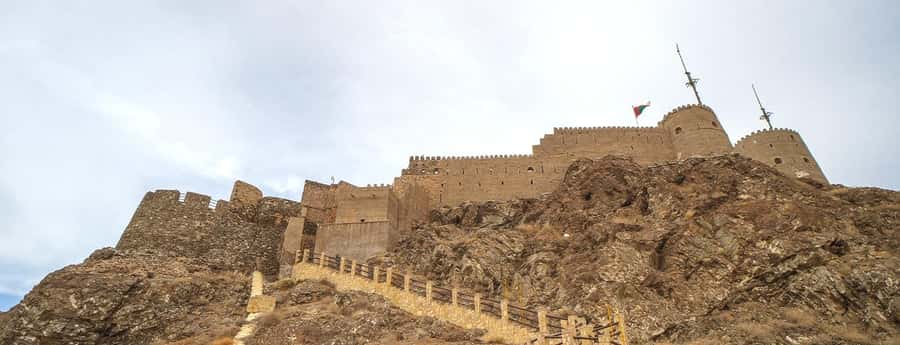
Muttrah Fort is more than a lookout with old walls. It helps explain why Muscat has long mattered as a coastal stronghold. From its hill, you can see the relationship between the town, the port, and the sea. That setting gives the fort a practical purpose that is easy to understand once you are there.
The fort dates back to the 16th century, although its story may reach further into the past. The Portuguese built it as part of a wider defense system during their time in Oman. Over later centuries, the structure changed, and it was restored and opened to the public during the reign of Sultan Qaboos.
That layered past is what makes the visit useful. You are not looking at a single frozen moment. The walls connect Portuguese military planning, Omani defense traditions, later restoration, and the modern effort to preserve the site.
I appreciate that the fort does not try to overwhelm you with a huge exhibition. The museum is small, but it gives the site a little more meaning than a simple climb to a viewpoint. You can see the fort first, then use the displays to understand the building and the surrounding area.
More Forts & Heritage Tours in Muscat
- Nizwa Fort-Nizwa Souq-Misfah Al Arbyeen-Jebel Shams – Private Full Day Tour
★ 5.0 · 220 reviews - Nizwa Heritage & Culture Full Day Tour with Audio Guiding
★ 4.3 · 213 reviews - Nizwa Fort-Nizwa Souq-Birkat Al Mouz-Jebel Akhdar – Private Full Day Tour
★ 5.0 · 80 reviews
Reaching the fort means taking the hill seriously
The main practical issue is the approach. Muttrah Fort is on a hill, so you should expect some uphill walking before and during the visit. The fort includes multiple levels, towers, old gun platforms, and a central courtyard, which means the route may involve uneven or steep sections.
I would wear shoes with a firm grip rather than sandals that slip easily. Bring water even if you plan a short visit. Muscat can be hot, and the stone and open sections of the fort offer little reason to assume you will stay cool.
A hat and sunscreen belong in your day bag. A camera is also worth bringing, but the views are more enjoyable when you take a moment to look away from the screen. Photography is allowed, so you can take your time with the coastline, port, towers, and city below.
The site is not suitable for wheelchair users or people with mobility impairments. That is not a minor footnote here. The hill and the fort’s different levels are central to the experience, so anyone with difficulty walking should choose a different Muscat viewpoint or confirm suitability before booking.
Exploring the traditional Omani military design
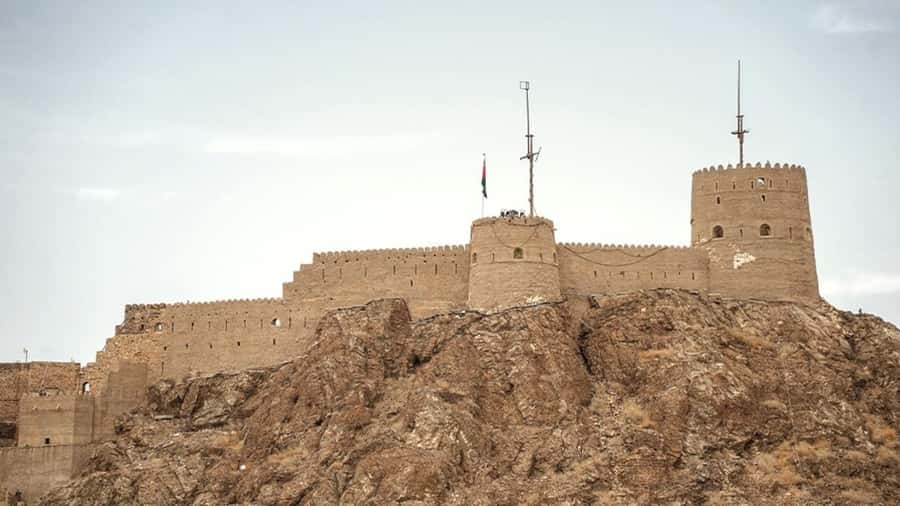
The fort’s design tells its story through thick walls, narrow windows, defensive towers, and elevated positions. These features are not decoration. They show how the building was shaped around protection, visibility, and control of the approach.
Local stone and mud brick give the fort a strong connection to its setting. The materials and earth-colored surfaces fit the surrounding hills, while the towers offer a sharper sense of military purpose. You can see how a fort could serve as both a defensive post and a place for administration.
The layout includes a central courtyard and several rooms once used for military and administrative work. As you move through the structure, try to notice how enclosed areas give way to open views. The contrast helps you understand how the fort balanced shelter with surveillance.
The old gun platforms are among the most interesting parts for anyone curious about military history. They connect the building to its role in guarding the coast. You do not need a long lecture to understand the logic: a high position, thick walls, narrow openings, and a view over the port all serve a clear purpose.
Restoration has made the fort accessible to the public while preserving its old character. You will see a restored historic site rather than a ruin left entirely to time. That makes the visit easier and safer to follow, though some people may prefer a more untouched archaeological setting.
The central courtyard and rooms give the visit shape
The central courtyard helps you get your bearings. From there, you can understand how the fort’s rooms and defensive walls fit together. It is also a useful pause point after the climb, especially if you visit during the warmer part of the day.
The rooms once had different military and administrative functions. The information provided does not assign a detailed use to every room, so I would not expect a room-by-room recreation. Instead, the value comes from seeing the overall arrangement and imagining how people worked inside a fortified coastal post.
The towers and upper levels are where the fort becomes most rewarding. The climb is the price of admission in physical terms, but each higher section gives you another angle over Muttrah and the sea. You can make the visit as short or as unhurried as your energy allows, since the ticket is valid for one day.
If you are visiting with a camera, look for changing views rather than only one famous angle. The port, coastline, and town appear differently from the fort’s various levels. Late afternoon should give you softer light and a better chance of avoiding the worst heat.
More forts and old quarters in Muscat:
- Private Historical Tour – Nizwa Fort – Nizwa Souq – Bahla Fort – Jabreen Castle
★ 5.0 · 73 reviews - Day Tour to the Enchanting Forts of Nizwa
★ 4.0 · 72 reviews - Nizwa Full Day Tour from Muscat with JABREEN fort
★ 4.0 · 54 reviews - Full-Day Nizwa Fort, Bahla Fort and Jabreen Castle Private Tour
★ 5.0 · 36 reviews
The small museum adds needed context
The museum is modest, so set your expectations correctly. This is not a large national collection with extensive galleries. It is a small introduction to the fort’s history and the past of the region.
That limited size is not a serious weakness. The museum works because the fort itself is the main exhibit. After seeing the walls, platforms, courtyard, and towers, a few historical displays can help connect what you have seen to Portuguese rule and Oman’s later development.
I would spend time here rather than treating it as a quick room to cross. Read what is available, then return outside with the displays in mind. The museum gives the visit a better balance between scenery and history.
The fort’s importance also comes from its cultural meaning. It represents Oman’s defense heritage and the country’s ability to protect its coastal position through changing periods. The building is therefore useful for understanding more than architecture. It points to Oman’s long relationship with the sea, trade, outside powers, and self-defense.
The views over Muttrah and the coast
The panoramic views are the strongest reason to visit. From the hilltop fort, you can see Muttrah, the port, the coastline, and the sea. This gives you a broad sense of Muscat that is difficult to get from street level.
The view also explains the fort’s location. From above, the connection between the defensive walls and the harbor becomes obvious. You can see why a fortified hill overlooking the coast would have mattered to both Portuguese forces and later Omani authorities.
Sunset is especially appealing. An online booking can save time at the ticket office, and one recent booking experience made the difference between waiting in line and reaching the fort before the light faded. Still, do not arrive at the last possible moment. You need time for the climb and for the different levels of the fort.
Morning has its own advantages. Temperatures are usually more manageable, and the fort can feel easier to explore before the heat builds. The supplied information does not give fixed opening hours, so check the available starting times before setting your plan around sunrise or sunset.
Is the $8 ticket good value?
At $8 per person, the ticket is reasonably priced for a historic site that combines entry, a museum, architecture, and a major viewpoint. The value is strongest if you already plan to spend time in Muttrah and want a focused cultural stop rather than a full-day tour.
You are paying for access to a restored fort, not for transport, a private guide, or a long guided program. That matters when comparing it with other Muscat activities. If you want a narrated experience with extensive interpretation, this ticket may feel basic. If you prefer to explore at your own speed, the simplicity works in its favor.
The flexible one-day validity is useful. You can fit the fort around the rest of your Muscat schedule, subject to the available starting times. Free cancellation up to 24 hours in advance and the option to reserve now and pay later also reduce the risk of committing too early.
One point deserves caution. A recent booking note suggested that someone first waited at the ticket office, then bought online and saved enough time to catch sunset. Another person questioned how closely tickets were checked at the entrance. I would not rely on informal access or skip payment. Use the official booking arrangement attached to your reservation, and treat online purchase as a way to save time, not as proof that admission rules do not matter.
Who will enjoy Muttrah Fort most?
I would recommend this experience to anyone interested in Omani history, military architecture, coastal views, or photography. It is also a good choice for people who want a self-guided stop with no long itinerary and no group activity to manage.
It suits independent sightseers who like to pause, take pictures, and explore at their own pace. The fort’s compact museum and clear physical features make it approachable even if you are not a serious history enthusiast.
Families with older children may also find it engaging, especially if you turn the visit into a search for towers, narrow windows, walls, and gun platforms. The climb and heat require planning, so younger children may need extra patience and water.
I would think twice if you have limited mobility, dislike uphill walking, or want a fully narrated experience. The $8 fee is modest, but it does not include a guide or transport. You are buying access to the place and the freedom to make your own way through it.
What to bring and how to plan the visit
Keep your packing simple:
- Comfortable shoes for the hill and fort levels
- Water for the climb
- A hat and sunscreen for exposed areas
- A camera for the views
- Clothing suitable for a historic cultural site
Pets and smoking are not allowed. Photography is allowed, so you can take pictures throughout the visit while staying respectful of the site and other people.
I would plan at least enough time to climb without rushing, visit the museum, explore the courtyard and rooms, and reach the upper platforms. The ticket is valid for one day, but the experience is not presented as a full-day program. Your exact pace will depend on how long you spend with the views and photographs.
For the best balance, choose early morning or late afternoon. Early hours help with heat. Late afternoon adds better light and the possibility of sunset, but you need to allow time for the queue, climb, and fort itself.
Should you book the Muttrah Fort ticket?
Book it if you want an affordable, self-guided look at one of Muscat’s most recognizable historic sites, especially if you value coastal views and military architecture. The museum adds useful context, while the towers, courtyard, gun platforms, and restored rooms give you plenty to see for a short cultural stop.
I would choose an online ticket if timing matters, since avoiding a ticket-office queue could help you reach the fort before sunset. Just remember that this is a hilltop visit with no guide, transport, or wheelchair access. For most able-bodied visitors spending time in Muttrah, the $8 cost is fair, and the view alone makes the climb worthwhile.
FAQ
Where is Muttrah Fort located?
Muttrah Fort is in Muscat Governorate, Oman, in the Muttrah area overlooking the port, coastline, and sea.
How much does entry to Muttrah Fort cost?
The entry ticket costs $8 per person.
How long is the ticket valid?
The ticket is valid for one day. You should check availability for the starting times offered when booking.
Is the ticket refundable?
You can cancel up to 24 hours in advance for a full refund.
Can I reserve the ticket and pay later?
Yes. The booking option allows you to reserve now and pay later.
Is Muttrah Fort suitable for wheelchair users?
No. The fort is not suitable for wheelchair users or people with mobility impairments.
Is there a climb to reach the fort?
Yes. The fort is located on a hill, so you should be prepared for uphill walking.
What should I bring?
Bring comfortable shoes, a hat, sunscreen, water, and a camera.
Is photography allowed inside the fort?
Yes. Photography is allowed, and the hilltop views provide good subjects for pictures.
Are pets and smoking allowed?
No. Pets and smoking are not allowed at the fort.
Newest Muscat trips added here
- Wahiba Desert Safari Adventure , Swimm in Wadi Bani Khalid★ 4.5 · 2 reviews
- Wadi Shab &Bimmah Sinkhole &Heart shaped Cave &Pebble Beach★ 5.0 · 5 reviews
- wadi shab and bimmah sinkhole tour from muscat★ 5.0 · 2 reviews
- Try scuba Diving Tours To Daymaniyat Islands.★ 5.0 · 12 reviews
- Private 2-Day Guided Tour with Nizwa Friday Market Visit★ 5.0 · 2 reviews
- Private scuba diving trips Muscat★ 4.5 · 2 reviews
- From Muscat Wadi Shab and Bimmah Sinkhole Tour★ 5.0 · 6 reviews
- Wahiba Sands&Wadi Bani Khalid desert Safari(Muscat tours)★ 4.5 · 6 reviews
Forts & Heritage Tours in Muscat, compared.
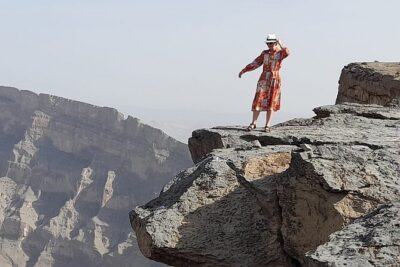
Nizwa Fort-Nizwa Souq-Misfah Al Arbyeen-Jebel Shams – Private Full Day Tour
Read our review →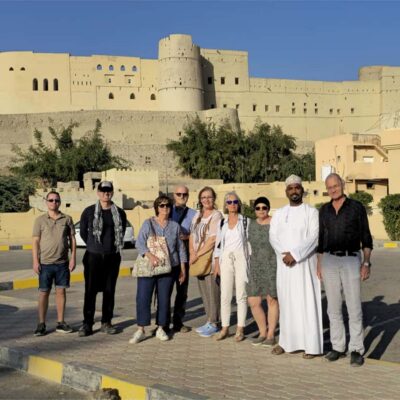
Nizwa Heritage & Culture Full Day Tour with Audio Guiding
Read our review →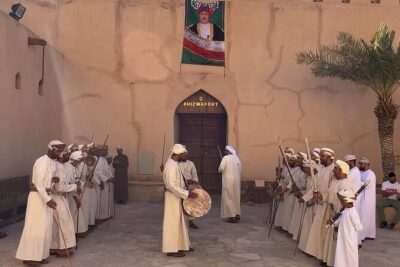
Nizwa Fort-Nizwa Souq-Birkat Al Mouz-Jebel Akhdar – Private Full Day Tour
Read our review →
Private Historical Tour – Nizwa Fort – Nizwa Souq – Bahla Fort – Jabreen Castle
Read our review →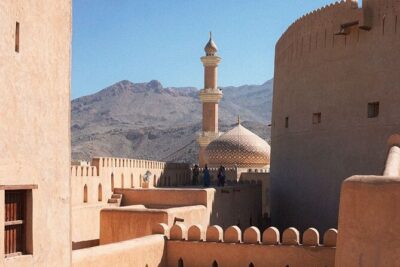

Nizwa Full Day Tour from Muscat with JABREEN fort
Read our review →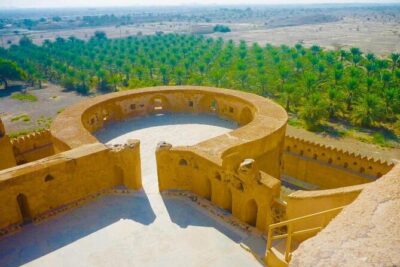
Full-Day Nizwa Fort, Bahla Fort and Jabreen Castle Private Tour
Read our review →
Full-Day Tour in Oman: Enchanting Forts of Nizwa and Jabreen
Read our review →Browse the lists this tour appears in