
Reviewed · SALALAH & DHOFAR TOURS
Salalah East & West Combination
Salalah reveals its best sides in one long day. This private tour links Dhofar’s fishing villages, frankincense sites, mountain roads, beaches, springs, and historic towns, giving you a useful first look at the region rather than keeping you in one corner. I like the private vehicle and hotel pickup, which make a busy route easier to manage, and I like the chance to see both Taqah and Mughsail in the same outing. The main consideration is the pace: with roughly seven to eight hours and many stops, you will see a lot, but some visits may feel brief.
I also like that a guide supplies the cultural background as you go. Ali is one guide praised for his good English, cheerful manner, and ability to explain local people, animals, and places. Still, the day includes long drives between eastern and western Salalah, and the total price of $430 per group makes the best value for up to four people sharing the vehicle.
In This Review
- Key points at a glance
- Why this route works for seeing Salalah
- Taqah: dried sardines and old Dhofari homes
- Taqah Castle and the former governor’s residence
- Sumhuram, an ancient port on the frankincense route
- Mirbat and the Bin Ali Tomb
- Ayn Razat, a spring in the mountains
- The Qara Mountains and rural Dhofar
- Nabi Ayoub’s Tomb and the story of Prophet Job
- Mughsail Beach, blow holes, and frankincense trees
- The guide can shape the whole day
- Timing, comfort, and practical limits
- Who should book this Salalah tour?
- FAQ
- How much does the Salalah East and West Combination cost?
- How long does the tour last?
- Is hotel pickup included?
- Is this a private tour?
- What is included in the price?
- Do cruise passengers need to provide special information?
- What is the cancellation policy?
Key points at a glance
- Taqah begins the day with local life: See an old fishing village known for dried sardines and traditional Dhofari houses.
- Sumhuram connects Salalah to the frankincense trade: The old port was part of a major route linking the Mediterranean, Persian Gulf, and India.
- Mirbat adds old-town character: Walk among old mud houses and pause at the twin-domed Bin Ali Tomb.
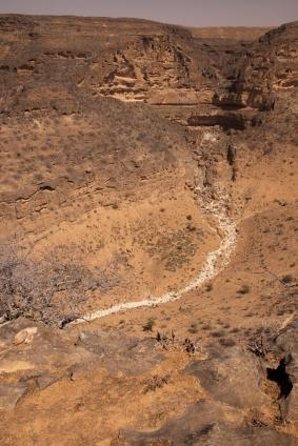
- Ayn Razat brings a change of pace: Natural spring water feeds a green, peaceful setting among the mountains.
- Mughsail combines beach and geology: White sand, sea cliffs, blow holes, a lagoon, and frankincense trees fill the western section.
- The private format suits small groups: Hotel or port pickup, bottled water, transport, and a driver-guide are included.
Why this route works for seeing Salalah
Salalah is spread across a large area, and its points of interest do not sit neatly beside one another. The eastern section takes you toward Taqah, Sumhuram, and Mirbat, while the western portion climbs into the Qara Mountains before reaching Nabi Ayoub’s Tomb and Mughsail Beach.
That makes this a useful choice if you have only one full day. Instead of arranging separate rides or choosing between the east and west, you cover both sides with one private transfer. The tradeoff is simple: this is a sightseeing circuit, not a slow day at the beach. You will spend time in the vehicle, but the route gives you a broad sense of Dhofar.
The group price is $430 for up to four people. At the full group limit, that works out to $107.50 per person before any personal spending. For one or two people, the cost is much higher per person, so this tour makes stronger financial sense for a family or small group sharing the vehicle.
Fuel surcharge, local taxes, national park fees, bottled water, transport, and hotel or port transfers are included. That bundled price matters in Salalah because the route covers both sides of the city and includes several historic and natural areas.
More Salalah and Dhofar trips to compare:
- East Salalah Mountain Safari, Wadi Darbat, Beach, Camels, Dunes
★ 5.0 · 206 reviews - Mountain Safari Private Tour
★ 5.0 · 105 reviews - Sunset Desert Safari Salalah Tour in Rub Al Khali – Empty Quarter
★ 5.0 · 91 reviews
Taqah: dried sardines and old Dhofari homes
The morning begins in Taqah, an old fishing village east of Salalah. The stop offers a look at everyday coastal culture before the tour moves into castles and ancient ruins.
Taqah is known for dried sardines and traditional old Dhofari houses. The sardines are not just a curious food detail. They point to the village’s relationship with the sea and to older ways of preserving food in a hot climate. The houses give you a sense of local building traditions that are easy to miss if you only visit major monuments.
You have about an hour here, with no admission fee listed. This is a good early stop because it sets up the rest of the day. You are not simply checking off grand sites. You are seeing the fishing and domestic traditions that shaped the region.
Taqah Castle and the former governor’s residence
A short distance away, Taqah Castle offers a more formal look at Dhofar’s past. The century-old building was once the official residence of the Wali, or governor, of the region.
Allow about an hour for the castle. Admission is included, so you do not need to budget a separate entrance charge. The value here is context: after seeing village homes, you can compare them with the residence used by the area’s administrator.
I would pay attention to the contrast between the castle and the simpler houses in Taqah. Together, the two stops explain more than either one alone. The drawback is that the tour does not give you a long open period to wander at your own speed. If you enjoy detailed architectural study, you may want to use the available hour carefully.
Sumhuram, an ancient port on the frankincense route
The old city of Sumhuram, also called Khor Rohri, is one of the major historical stops. Its ruins mark an ancient port on the coast of Dhofar and an eastern outpost of the Hadramawt Kingdom.
Sumhuram was tied to the frankincense trade route that reached toward the Mediterranean, the Persian Gulf, and India. That gives the site a wider importance than a set of coastal ruins. The port helped connect southern Arabia with distant markets, and frankincense was a central part of that trade.
The visit lasts about an hour, and admission is included. You can expect ruins set beside the waterway at Khor Rohri, with the remains helping you picture a port that once handled valuable goods.
This is an important place to have a guide. Stones and foundations do not always explain themselves, and the route’s cultural commentary helps turn the site into a story about commerce, travel, and Dhofar’s place in regional trade. Bring water and use the bottled water provided, since the day continues for several more hours.
A different way to spend the day out of Salalah:
- Salalah: Sunset Desert Safari – Rub Al Khali – Empty Quarter
★ 4.6 · 79 reviews - West Salalah Tour – Caribbean of Orient – Fazayah Beach with City
★ 5.0 · 74 reviews - Sunset desert safari tour in Salalah(private tour)
★ 5.0 · 58 reviews - Salalah City Tour: Discover the Best of Oman’s Coastal Gem
★ 4.8 · 58 reviews
Mirbat and the Bin Ali Tomb
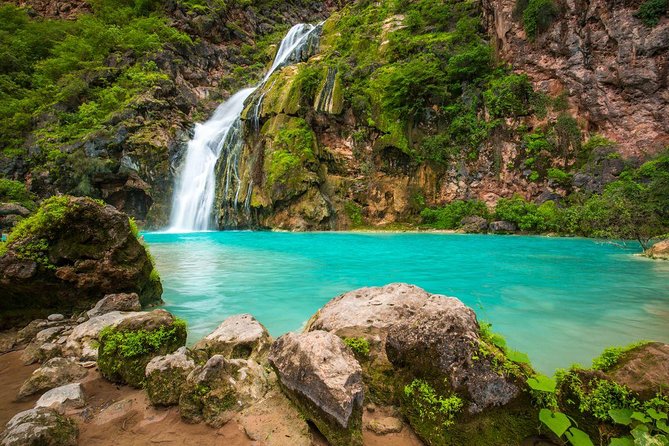
The drive to Mirbat changes the mood again. Once the ancient capital of Dhofar and the start of the frankincense trail, Mirbat is associated with old Omani mud houses and traditional streets.
The planned stop lasts about an hour and is free. It is less about a single grand attraction and more about seeing the character of an old town. The mud houses provide another useful comparison with Taqah’s homes and Taqah Castle.
The twin-domed Bin Ali Tomb is a photo stop rather than a full extended visit. Its medieval architectural style makes it one of the more distinctive exterior sights on the eastern route. You should treat this as a quick pause for photographs, not as a long interior tour.
Mirbat is also where the schedule can begin to feel full. By this point, you have already visited Taqah, the castle, and Sumhuram. If you prefer slow walks and long café stops, this combination may feel too tightly packed. If you want a broad survey in one day, the steady rhythm works well.
Ayn Razat, a spring in the mountains
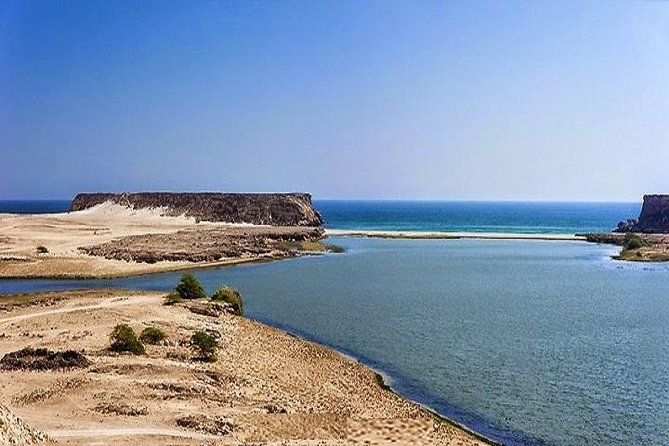
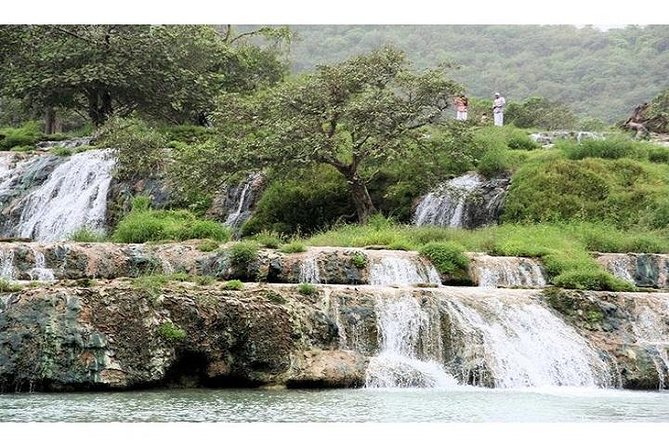
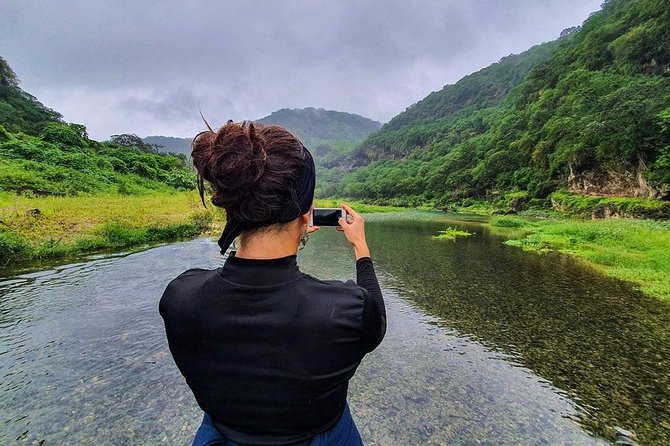
On the return toward western Salalah, the route stops at Ayn Razat, a natural spring area among the mountains. The spring is fed by underground water throughout the year, and the setting is described as being laid out amid lush mountain surroundings.
After the coastal and archaeological stops, Ayn Razat gives you a welcome change. You can expect a quieter hour focused on water, plants, and mountain scenery rather than buildings or ruins. It is one of the places that shows why Salalah feels different from a simple desert destination.
The word lush is especially relevant during the greener season, but the tour information does not promise a particular weather condition on your date. You should also remember that natural springs and park settings can look different depending on the season.
There is no admission fee listed for this stop. The national park fees are included in the tour price, which helps keep the day simple.
The Qara Mountains and rural Dhofar
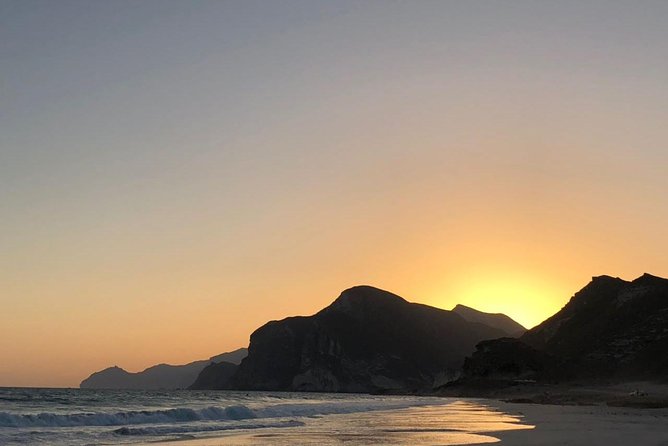
The western section climbs toward the Qara Mountains. The road winds steadily up a steep incline, and the views include herds of camels and cattle. This is a strong part of the tour for seeing rural Dhofari life rather than only monuments made for sightseeing.
The animals are part of the appeal. Camels and cattle give the drive a living connection to local farming and pastoral traditions, while the mountain road opens views across the Salalah Plains.
The route allows about an hour for this section. Because much of the experience comes through the drive and roadside views, your guide’s explanations can make a real difference. A private vehicle also helps here because your group can pause for photographs when conditions and timing allow, although the supplied details do not promise unlimited stops.
This section may be less satisfying for anyone who wants a formal attraction at every point. I see it as a useful bridge between the eastern sites and the western coast, and a chance to watch the setting change from coastal towns to high mountain country.
Nabi Ayoub’s Tomb and the story of Prophet Job
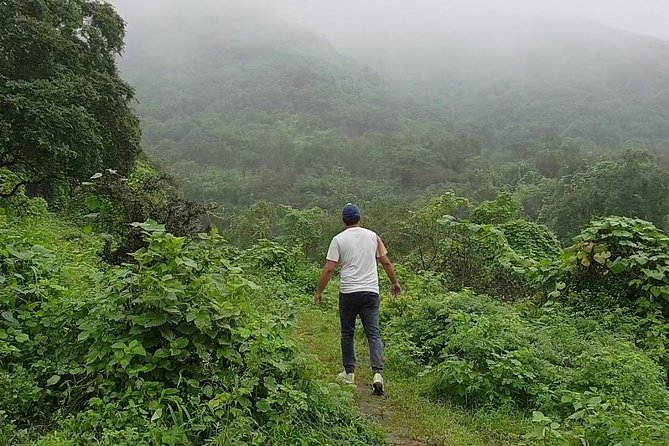
Nabi Ayoub’s Tomb sits in the green mountains above the Salalah Plains. The site is connected with the story of Prophet Job and his devotion.
The visit is scheduled for about an hour, with admission included. This is a religious and cultural stop, so respectful behavior matters. The value is not only the tomb itself. The location ties the story to the mountain setting and gives your guide a chance to explain the local tradition surrounding the prophet.
You may find this stop especially meaningful if you enjoy places where faith, storytelling, and geography meet. If your main interest is beaches or ruins, it may feel quieter and less visually dramatic than Mughsail or Sumhuram.
The tour description requires a current valid passport on the day of travel. Keep it with you, especially when the day includes religious and historic sites.
Mughsail Beach, blow holes, and frankincense trees
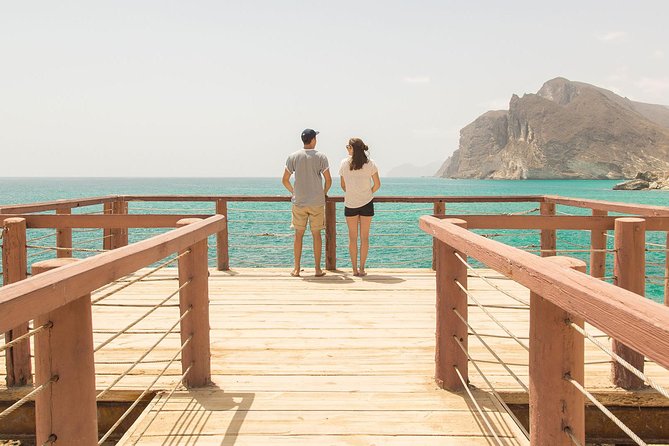
Mughsail Beach is the western highlight for many people. White sand meets the deep blue sea, while rocky edges and cliffs give the coast a more dramatic shape than a simple swimming beach.
At high tide, waves can burst through the natural blow holes. Timing matters here. The effect depends on the sea, so you should not assume the blow holes will be active during your visit. Even without a strong burst of water, the rocky coast and cave-like entrance make this a memorable stop.
The route then continues toward Oman’s western border along cliffs on both sides. In the valleys, frankincense trees grow in their natural setting. A short walk takes you closer to the trees, where you can smell the incense and see how it grows in the dry, rocky countryside.
This is one of the most valuable parts of the tour because frankincense is not treated as a shop souvenir alone. You see the trees in the place that made Dhofar famous. The walk is described as short, but you should still wear practical shoes and carry the bottled water provided.
On the return, there is a photo stop at the Mughsail lagoon. Migratory birds can appear there, including flamingos, but sightings are occasional rather than guaranteed. The lagoon adds a calmer final view after the open coast and cliffs.
The guide can shape the whole day
The tour includes a driver-guide, and the private format means only your group participates. That creates more room for questions and makes the day feel less like a fixed bus route.
The strongest praise centers on the guide’s professionalism, English, and friendly approach. Ali is specifically singled out as a guide who made the day enjoyable while explaining the country, people, and animals. A German-speaking account also describes a guide who showed fascinating places and added useful stories about local life. A multilingual guide may be available for an extra charge, so confirm the language and added cost before booking if that matters to you.
With eight main sections and several long transfers, guiding is not a minor extra. It helps connect dried sardines, castles, frankincense, camels, religious tradition, and coastal geology into one understandable picture of Dhofar.
Timing, comfort, and practical limits
The experience lasts about seven to eight hours. Each listed stop is planned for roughly one hour, though driving time is part of the day and can affect how long you spend at individual places.
Hotel and port pickup and drop-off are included. Cruise passengers must provide the ship name, docking time, disembarkation time, and re-boarding time when booking. That information is essential for a route this long, since the tour reaches both east and west of Salalah.
Children must be accompanied by an adult, and the child rate applies only when sharing with two paying adults. Most people can participate, but the itinerary includes a steep mountain road, outdoor walking, rocky coastal areas, and a short walk into the frankincense valleys. The supplied information does not provide specific accessibility details, so ask the operator before booking if you need mobility assistance.
Free cancellation is available if you cancel at least 24 hours before the local start time. Cancellations or changes made within 24 hours are not accepted for a refund.
Who should book this Salalah tour?
I would choose this tour if you have one day in Salalah and want the widest possible introduction to Dhofar. It suits small families, couples, friends, and cruise passengers who prefer a private vehicle over a larger group.
It is also a good match if you care about variety. In one day, you see a fishing village, a castle, an ancient port, an old town, a tomb, a spring, mountain roads, a beach, a lagoon, and frankincense trees.
I would think twice if you want a slow beach day, extensive time at each archaeological site, or a plan with very little driving. The schedule is full by design. You trade lingering for reach.
At $430 per group, the value improves sharply when four people share the cost. The included transfer, fuel surcharge, taxes, park fees, water, and private transport remove several extra expenses. The strongest reason to book is the route itself: Salalah’s character is spread across its coast, mountains, villages, and historic sites, and this tour brings those pieces together in one practical day.
FAQ
How much does the Salalah East and West Combination cost?
The tour costs $430 per group for up to four people.
How long does the tour last?
The experience lasts approximately seven to eight hours.
Is hotel pickup included?
Yes. Hotel and port pickup and drop-off are included, along with round-trip private transport.
Is this a private tour?
Yes. Only your group participates, and transport is provided by private vehicle.
What is included in the price?
Fuel surcharge, local taxes, national park fees, bottled water, a driver-guide, hotel or port transfers, private transport, and the private tour are included.
Do cruise passengers need to provide special information?
Yes. Cruise passengers must provide the ship name, docking time, disembarkation time, and re-boarding time when booking.
What is the cancellation policy?
You can cancel at least 24 hours before the local start time for a full refund. Cancellations and changes made less than 24 hours before the start time are not accepted.
Newest Salalah trips added here
- West of Salalah private tour – fascinating mountains and beaches★ 5.0 · 9 reviews
- Private tour – Empty Quarter desert adventure – Wadi Dawka + Ubar★ 5.0 · 5 reviews
- West Salalah Tour by VisitSalalah★ 5.0 · 6 reviews
- West Salalah Beaches and Blowholes★ 5.0 · 7 reviews
- Salalah by Night Tour – Charming Evening in the Garden City★ 5.0 · 2 reviews
- Where Sea Meets Rock: A Scenic Journey to West Salalah’s Shores★ 5.0 · 5 reviews
- Explore Samhan Mountain – Half-Day Getaway with Lunch Included.★ 5.0 · 10 reviews
- Salalah City Tour: Discover Salalahs Treasures with a Local Guide★ 5.0 · 4 reviews
Salalah & Dhofar Tours, compared.
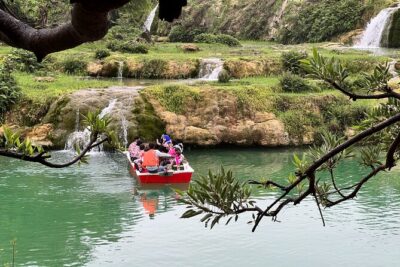
East Salalah Mountain Safari, Wadi Darbat, Beach, Camels, Dunes
Read our review →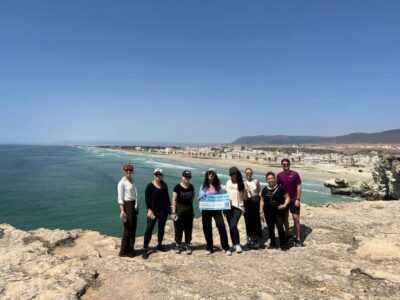
Wadi Darbat, Jabal Samhan, Baobab, Mirbat Sand Dune
Read our review →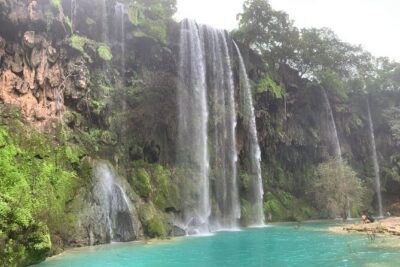
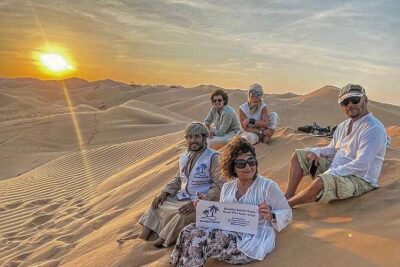
Sunset Desert Safari Salalah Tour in Rub Al Khali – Empty Quarter
Read our review →
Sunset Desert Safari – Rub Al Khali – Empty Quarter
Read our review →
West Salalah Tour – Caribbean of Orient – Fazayah Beach with City
Read our review →
Salalah City Tour: Discover the Best of Oman’s Coastal Gem
Read our review →
Sunset desert safari tour in Salalah(private tour)
Read our review →Browse the lists this tour appears in